








Every tanker loading and unloading operation relies on secure connections to transfer products safely and efficiently.
Whether transferring fuels, chemicals or other industrial liquids, couplings play an important role in connecting tankers to loading and unloading systems. Choosing the wrong connection can increase the risk of leaks, product loss, equipment damage and operational delays.
Selecting the right coupling helps operators maintain safe working conditions while supporting efficient fluid transfer.
At EWFM, we supply a wide range of Couplings, including MannTek Dry Disconnect Couplings, API Couplers and specialist engineered solutions for demanding applications.
Why Are Couplings Important in Tanker Loading and Unloading?
Couplings connect tankers to the equipment responsible for transferring the product.
During loading and unloading, operators need connections that can handle the transferred media, operating pressure and temperature while maintaining a reliable seal.
A suitable coupling offers several advantages:
- Reduced product loss: Secure sealing arrangements help minimise leakage during connection and disconnection.
- Improved operator safety: Suitable connections help reduce exposure to potentially hazardous liquids.
- Greater operational efficiency: Quick connection and disconnection can reduce handling time.
- Equipment protection: Correctly specified couplings help maintain connection integrity during normal operation.
- Improved environmental protection: Reducing spills helps limit the risk of product entering the surrounding environment.
However, different tanker operations require different connection arrangements. Understanding the available coupling types helps operators choose the most suitable solution.
Dry Disconnect Couplings for Tanker Operations
Dry Disconnect Couplings offer a practical solution for applications where operators need to minimise product loss during connection and disconnection.
These couplings use a push-and-turn operating mechanism that allows operators to connect the hose unit to the corresponding tank unit. The coupling opens its valves during connection and closes them before separation, helping minimise residual product release.
This makes Dry Disconnect Couplings particularly useful when transferring products where spillage presents safety, environmental or operational concerns.
As a master distributor of MannTek Couplings, EWFM supplies Dry Disconnect Couplings for a variety of applications, including chemical, petrochemical and hydrocarbon transfer.
The range offers several material options, including Aluminium, Stainless Steel, Brass and Hastelloy. Different seal materials and connection arrangements also allow customers to select a coupling that suits their specific operating conditions.
API Couplers for Bottom Loading Tankers
For petroleum tanker operations, API Couplers provide another important connection solution.
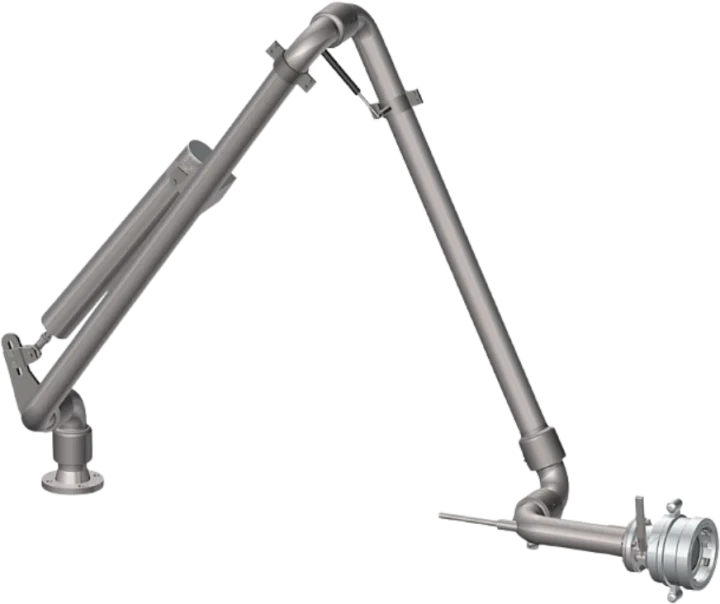
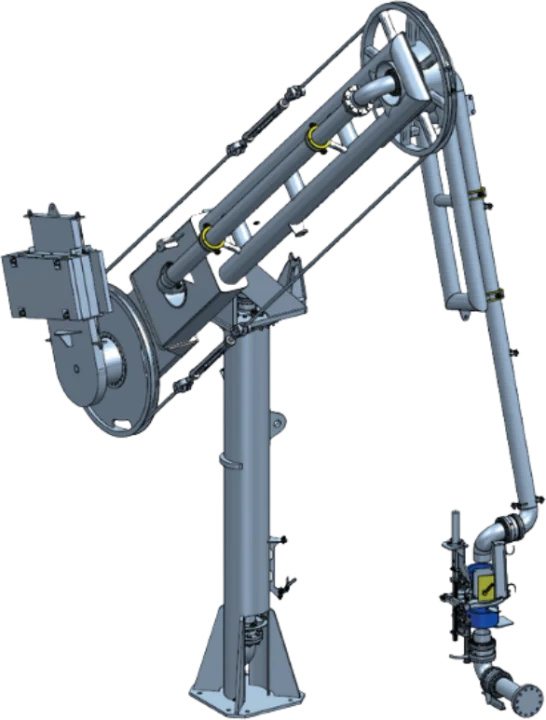
These couplers commonly feature in bottom loading and unloading systems, where they connect the loading equipment to the corresponding adaptor on a road tanker or railcar.
EWFM supplies two main variations:
API Liquid Couplers
API Liquid Couplers connect the liquid transfer system to the tanker’s corresponding adaptor. Operators use a lever mechanism to engage the coupling and control the valve during transfer.
The coupling incorporates a locking arrangement that helps prevent full flow until the connection engages correctly.
API Vapour Couplers
API Vapour Couplers provide a connection for the vapour handling system during suitable loading and unloading operations.
They allow the facility to connect the tanker’s vapour system to the terminal’s vapour handling equipment, supporting the management of displaced vapour during product transfer.
Both coupling types form part of EWFM’s range of equipment for tanker loading and unloading applications.
What About Breakaway Couplings?
While standard couplings provide the connection between equipment, Breakaway Couplings offer an additional level of protection against excessive forces.
One potential risk during tanker loading and unloading is an accidental drive-away while the transfer equipment remains connected.
Without suitable protection, this incident could place significant strain on hoses, loading arms and surrounding equipment.
Breakaway Couplings provide a controlled separation point within the transfer system. When the specified activation conditions occur, the coupling separates and its internal valves help limit product release.
EWFM supplies MannTek Breakaway Couplings in both Cable Release and Breaking Pin configurations, allowing customers to select a design that suits their operating arrangement.
Although Breakaway Couplings serve a different purpose from standard transfer couplings, the two can work together as part of a wider tanker loading safety system.
What Should You Consider When Choosing a Tanker Coupling?
Selecting the right coupling involves more than matching the connection size.
Several factors influence which design will perform effectively within a particular tanker loading or unloading system.
1. Transferred Product
The product passing through the coupling influences material and seal selection. For example, transferring aggressive chemicals may require different materials from those used for petroleum products.
2. Operating Pressure and Temperature
Every coupling has specific operating limits. Understanding the system’s pressure and temperature requirements helps ensure the selected coupling suits the application.
3. Connection Requirements
The coupling must match the corresponding tanker adaptor, hose or loading arm connection.
Threaded, flanged and specialist connection options may suit different installations.
4. Frequency of Operation
Facilities that connect and disconnect tankers regularly should consider ease of operation, handling requirements and maintenance access.
5. Safety Requirements
Operators should assess the risks associated with the transferred product and the loading environment.
Where accidental pull-away presents a risk, a suitable Breakaway Coupling may provide additional protection.
Considering these factors during the specification process helps operators select equipment that meets their operational requirements.
Choosing the Right Coupling for Your Tanker Operation
No two tanker loading and unloading applications are exactly the same.
The transferred product, connection arrangement, operating conditions and safety requirements all influence which coupling offers the most suitable solution.
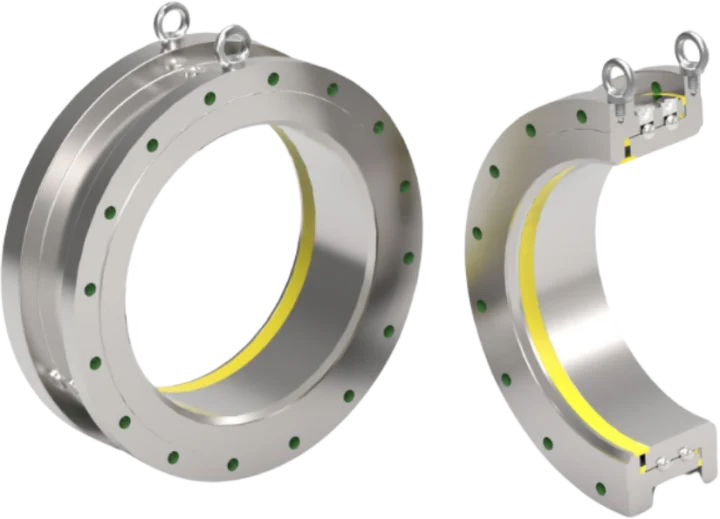
Whether your application requires a Dry Disconnect Coupling, Liquid and Vapour API Couplers or a specialist engineered connection, selecting the correct equipment helps support safe and efficient transfer operations.
As a distributor of MannTek Couplings, EWFM offers a range of coupling solutions for customers across multiple industries.
Our team can help identify the appropriate coupling for your tanker loading or unloading application, taking into account the transferred media, operating conditions and connection requirements.
