








Swivel Joints play an important role in fluid transfer systems by allowing pipework to articulate and hoses to rotate. However, choosing the right Swivel Joint depends on several factors.
Size, material, pressure, temperature, media and end connections can all influence the final specification.
To help answer some of the questions we regularly receive, we have put together this Swivel Joint FAQ. It covers everything from sizes and materials to high-pressure, high-temperature and cryogenic applications.
What Sizes Are Swivel Joints Available In?
Our Swivel Joints cover a wide range of sizes to suit different fluid transfer applications.
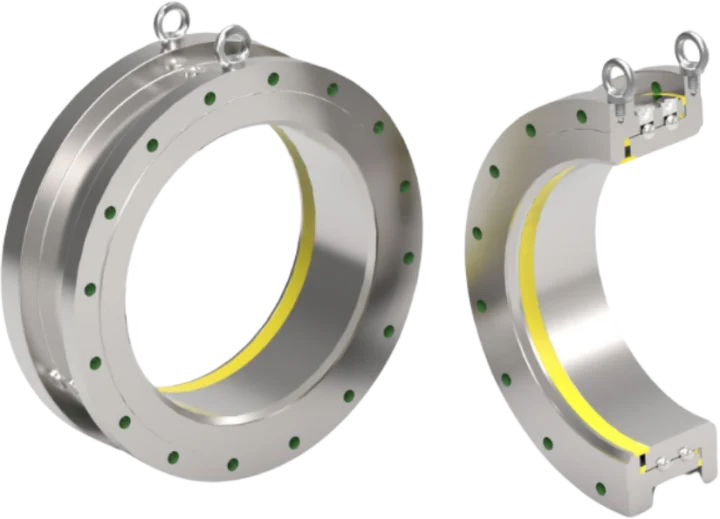
Smaller Swivel Joints are available from approximately ½”, while our Large Bore Swivel Joints can reach sizes up to 72”.
The correct size will depend on factors such as the pipework, required flow rate, media and application.
For larger or more demanding applications, we can configure the Swivel Joint around the specific operating requirements of the system.
What Materials Are Swivel Joints Made From?
Common material options include Aluminium, Carbon Steel and Stainless Steel, including grades such as 304L and 316L.
For more demanding applications, we can also offer specialist materials. These include Duplex, Super Duplex, Hastelloy, and other materials depending on the application.
PTFE-lined options are also available where additional chemical resistance is required.
Material selection will depend heavily on the media passing through the Swivel Joint. Temperature, pressure, environment and corrosion resistance should also be considered.
How Do I Choose the Right Swivel Joint Material?
Choosing the correct material starts with understanding the application and the media being transferred.
For example, a Swivel Joint handling aggressive chemicals may require greater corrosion resistance than one transferring a less demanding media. External conditions can also influence material selection, particularly in marine, offshore and subsea environments.
Other factors include operating temperature, pressure and cleaning requirements.
If you are unsure which material is suitable, our team can review your application and recommend an appropriate specification.
What End Connections Are Available for Swivel Joints?
We can supply Swivel Joints with a wide range of end connections.
Common options include:
- Weld ends
- ANSI flanges
- PN flanges
- DIN flanges
- BSP threads
- NPT threads
We can also accommodate more specialised connections. Previous examples include Hammer Lug Unions, Tri Clamp connections and RJT fittings.
The best connection will depend on the existing pipework and the requirements of the overall fluid transfer system.
Can Swivel Joints Be Used for Cryogenic Applications?
Yes. Swivel Joints can be designed for cryogenic and other low-temperature applications.
The design must account for the operating temperature and media. Material selection and sealing arrangements become particularly important under cryogenic conditions.
Special designs can incorporate a nitrogen chamber around the bearing area. This helps protect the bearing arrangement against freezing in demanding low-temperature applications.
We also supply a dedicated range of Cryogenic Swivel Joints for applications involving low-temperature media.
Can Swivel Joints Handle High Temperatures?
Yes. We can configure Swivel Joints for high-temperature applications.
Jacketed designs can help maintain the required operating temperature around the Swivel Joint. Depending on the application, heating can use steam, thermal oil or electrical systems.
The correct solution will depend on the media, required temperature and wider process conditions.
Seal and material selection also become particularly important at elevated temperatures.
Can Swivel Joints Be Supplied With Elbows?
Yes. Swivel Joints can incorporate elbows and articulated pipework in a range of configurations.

Different styles allow the joint to accommodate the movement required within the system. We can also supply custom arrangements where standard configurations do not suit the installation.
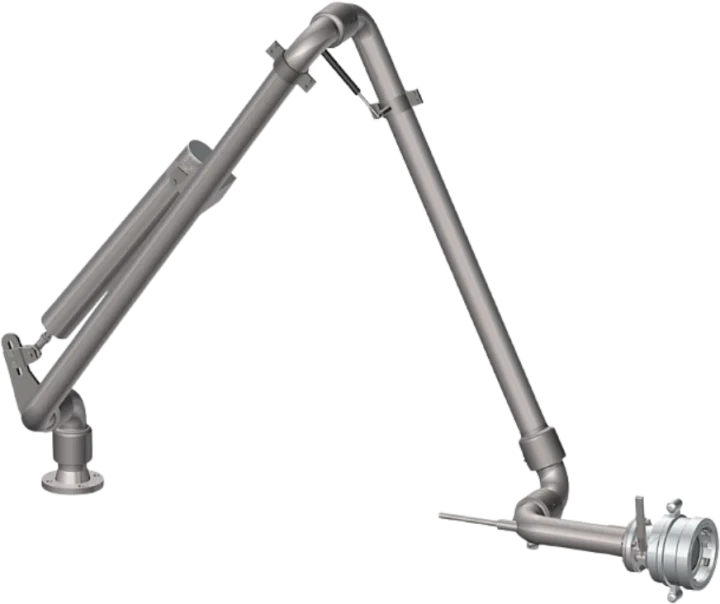
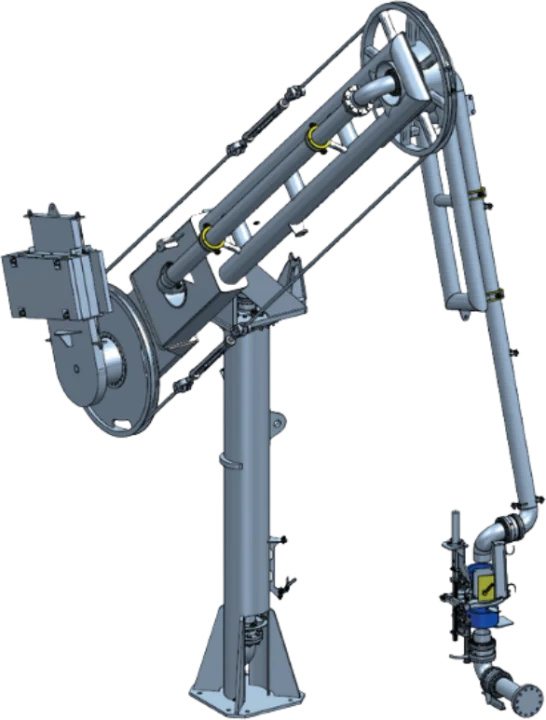
This flexibility is particularly useful for equipment such as Loading Arms, where several Swivel Joints may work together to provide movement.
What Pressure Can a Swivel Joint Handle?
There is no single pressure rating that applies to every Swivel Joint.
The maximum pressure depends on several factors, including size, material, design, media and operating conditions.
Certain specialist Swivel Joints and Multiport Rotary Unions can accommodate extremely high-pressure applications. Larger bore applications require individual assessment to determine the appropriate design.
For demanding applications, the design can incorporate additional ball or roller bearings and increased wall thickness where required.
This is why pressure should always form part of the initial specification rather than selecting a Swivel Joint based on size alone.
Can Swivel Joints Be Used With Aggressive Chemicals?
Yes, providing the correct materials and seals are selected.
Chemical compatibility is an important consideration when specifying a Swivel Joint. Both the body material and sealing arrangement need to suit the media passing through the system.
Stainless Steel and specialist alloys can provide additional corrosion resistance for more aggressive applications. PTFE-lined designs are another option where greater chemical resistance is required.
Our team can review the media and operating conditions when helping specify the Swivel Joint.
Can Swivel Joints Be Used Underwater or in Subsea Applications?
Yes. We can design Subsea Swivel Joints for demanding underwater environments.
Subsea applications introduce additional considerations because the Swivel Joint must cope with both internal and external pressures.
We can carry out hyperbaric testing to simulate external pressure conditions. This helps verify performance for the intended subsea environment.
Subsea Swivel Joints can also support pipe laying operations by helping relieve stress as equipment is lowered towards the seabed.
What Seals Are Available for Swivel Joints?
Seal selection depends on the media, temperature, pressure and operating environment.
Different applications may require different elastomers or specialist sealing materials. Options can include Nitrile, Fluorocarbon and PTFE, alongside other materials for specific operating conditions.
Choosing the correct seal is just as important as selecting the Swivel Joint body material. An unsuitable seal can affect performance, reliability and service life.
Where Are Swivel Joints Commonly Used?
Swivel Joints appear in many applications where pipework or hoses need controlled rotational movement.
Typical applications include Loading Arms, Hose Reels, Floating Suction Units, articulated pipework and process equipment. They also serve specialist marine, offshore, subsea and high-pressure systems.
Industries using Swivel Joints include oil and gas, chemical, petrochemical, food and beverage, pharmaceutical, marine and general industrial processing.
What Information Do I Need When Enquiring About a Swivel Joint?
Providing as much application information as possible helps us identify the most suitable Swivel Joint.
Useful information includes the required size, media, operating pressure and temperature. We also recommend providing the preferred material, seal requirements and end connections where known.
Details about the installation environment and required movement can also help. For unusual or demanding applications, drawings and information about the surrounding pipework may be useful.
Don’t worry if you don’t have every detail. Our team can work through the requirements with you and help identify the information needed.
Need Help Choosing a Swivel Joint?
Every fluid transfer application has different requirements. The right Swivel Joint will depend on much more than bore size alone.
Explore our full Swivel Joint range to see the different options available.
Alternatively, get in touch with the EWFM team. We can discuss your application and help identify a Swivel Joint that suits your operating requirements.
