







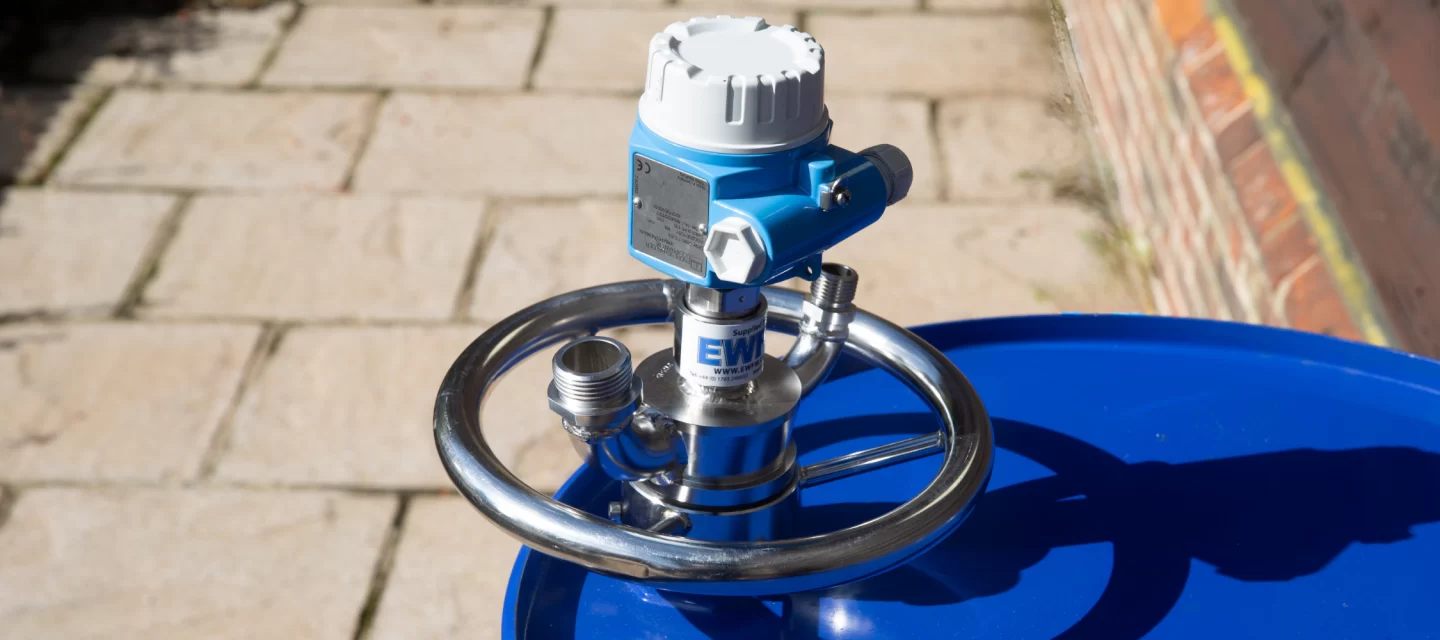
At first glance, filling a drum appears to be one of the simplest processes in industrial liquid handling. Connect a transfer system, start the flow, and stop when the drum is full. In reality, however, drum filling is often one of the most critical points in the entire transfer process. This is where operators come into close proximity with the product, where spills are most likely to occur, and where issues such as foam generation, vapour release, static build-up, and inaccurate fills can have significant operational consequences.
The challenges become even greater when handling hazardous chemicals, volatile liquids, or high value products. A poorly controlled filling operation can result in product loss, environmental concerns, safety risks, and unnecessary downtime. As a result, drum filling systems require considerably more engineering than many people realise.
Controlling Product Behaviour During Filling
One of the biggest challenges during drum filling is controlling how the product behaves as it enters the container. When liquid is allowed to free fall into a drum, it can create turbulence, splashing, and excessive agitation. Not only can this lead to product loss and contamination around the filling area, but it can also contribute to foaming, particularly when handling chemicals, detergents, additives, or other aeration-sensitive products.
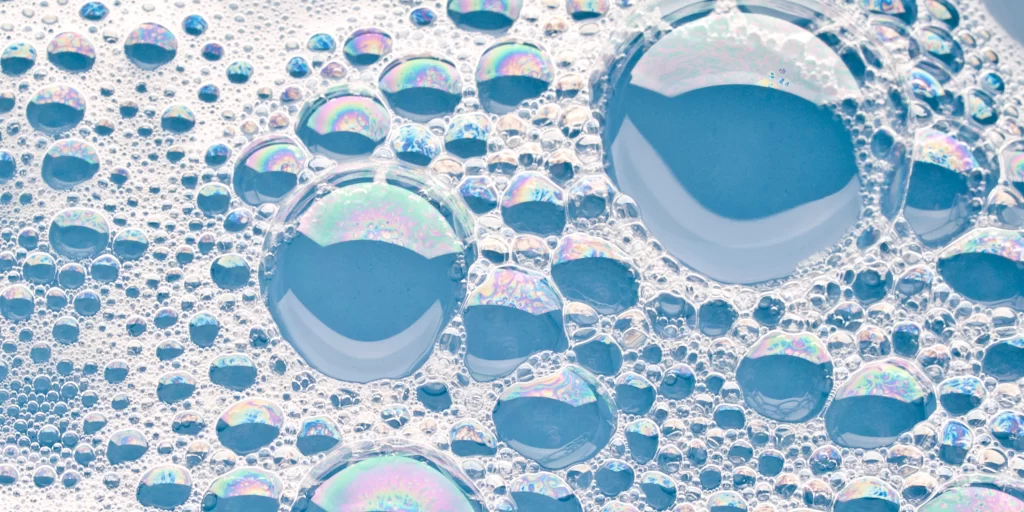
Foam can significantly slow down filling operations by making it difficult to accurately determine the true liquid level inside the drum. In some cases, operators may believe a drum is full when the foam eventually collapses and reveals unused capacity. Conversely, foam can also contribute to overfilling if the filling process is not carefully monitored. The way in which product is introduced into the drum therefore plays a crucial role in maintaining both efficiency and accuracy.
At the same time, every litre of product entering a drum displaces an equivalent volume of air or vapour. Depending on the media being handled, this displaced vapour may present environmental, operational, or health and safety challenges, Volatile products, solvent, and certain chemicals can all create situations where vapour management becomes just as important as manging the liquid itself.
Safety Considerations Beyond the Liquid
While much attention is naturally focused on the product being transferred, other hazards exist that are not immediately visible. Static electricity is one such example. As liquid flows through transfer equipment, hoses, and filling systems, static charges can accumulate. In applications involving flammable products or combustible vapour, unmanaged static presents a potential ignition source that must be addressed though appropriate equipment design and operating procedures.
Fill accuracy is another area that is often underestimated. An overfilled drum can create obvious safety and housekeeping issues, but underfilling can be equally costly over time. Small discrepancies across hundreds or thousands of drums can result in significant product giveaway, inventory inaccuracies, and unnecessary operating costs. Maintaining consistent fill levels is therefore essential for both safety and profitability.
Why Engineered Solutions Matter
Perhaps the biggest misconception surrounding drum filling is the assumption that all products can be handled in the same way. In reality, filling requirements can vary dramatically depending on the characteristics of the media being transferred. Factors such as viscosity, temperature, corrosiveness, vapour pressure, and sensitivity to aeration all influence how a product should be introduced into a container.
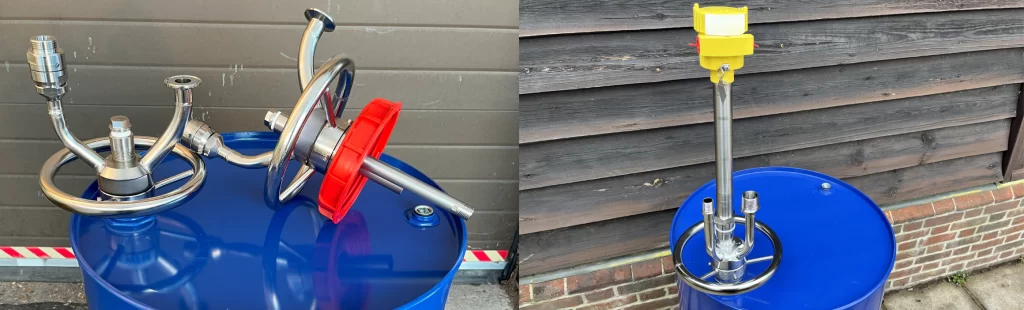
This is why many industrial operations move beyond standard filling arrangements and adopt engineered drum filling solutions designed around the specific application. By considering the behaviour of the product, the operating environment, and the required level of safety and accuracy, organisations can achieve a more reliable, efficient, and controlled filling process.
Final Thoughts
Although drum filling may appear straightforward, it is often one of the most technically demanding stages of a liquid transfer operation. From controlling foam and splashing to managing vapours, static electricity, and fill accuracy, a range of factors must be carefully considered to ensure safe and efficient performance. The right drum filling solution not only improves operational efficiency but also helps protect personnel, minimise waste, and maintain consistent product quality throughout the filling process.
