







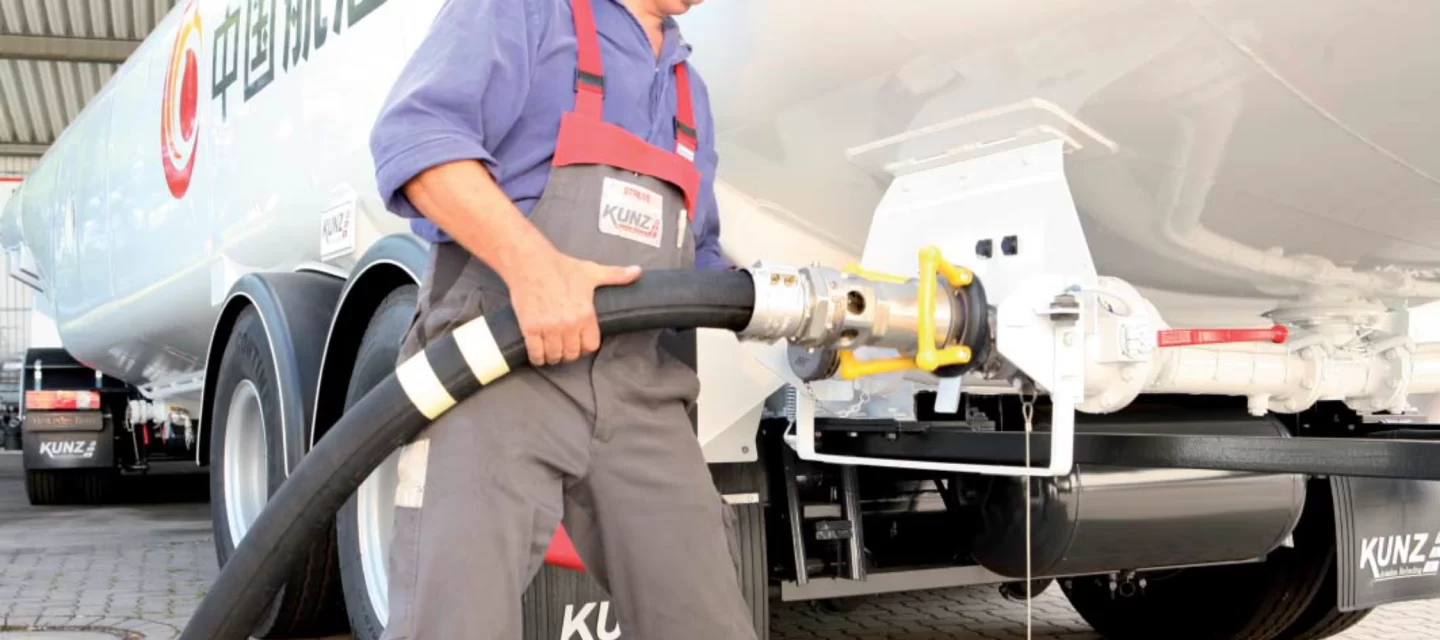
Fuel integrity is one of those topics in aviation that doesn’t always get the spotlight, but it underpins pretty much everything else. From the moment fuel leaves a storage terminal to the point it reaches the aircraft wing, it’s being transferred through multiple systems, connections and handling stages, and each one introduces a potential risk.
Filtration and testing tend to get most of the attention, and rightly so, but in reality, a lot of the risk sits much earlier in the process. The connection points between equipment are often where fuel is most exposed, and where small issues can start to build into bigger problems.
Where the Risks Start to Build
Fuel contamination is rarely the result of one major failure. It’s usually a gradual build-up of small, preventable issues that go unnoticed in day-to-day operations.
Moisture ingress during connection and disconnection is a common one, especially in outdoor environments where equipment is constantly exposed. Worn seals, poorly maintained couplings, and even small amounts of residue left inside transfer equipment can all contribute to reduced fuel quality over time.
In busy airport environments, where turnaround times are tight and equipment is used continuously, these risks can increase if the focus is only on the larger system components rather than the smaller, high-use parts.

Why the Connection Point Matters Most
Couplings and connection interfaces don’t always get the attention they deserve, mainly because they’re small compared to everything else in the system. But they are doing a critical job every time a refuelling operation takes place, forming the sealed link between storage, transfer equipment, and the aircraft itself.
If that seal isn’t performing properly, even for a short period, fuel is exposed to the environment. That can introduce contamination risks, increase product loss, and create unnecessary safety concerns for operators working on the apron.
It’s also worth remembering that these components are under constant use, meaning reliability and consistency are just as important as initial specification.
How Dry Aviation Couplings Help
This is where MannTek’s Dry Aviation Couplings come into their own. They are specifically designed for aviation fuel handling applications where maintaining product integrity and minimising exposure is critical.
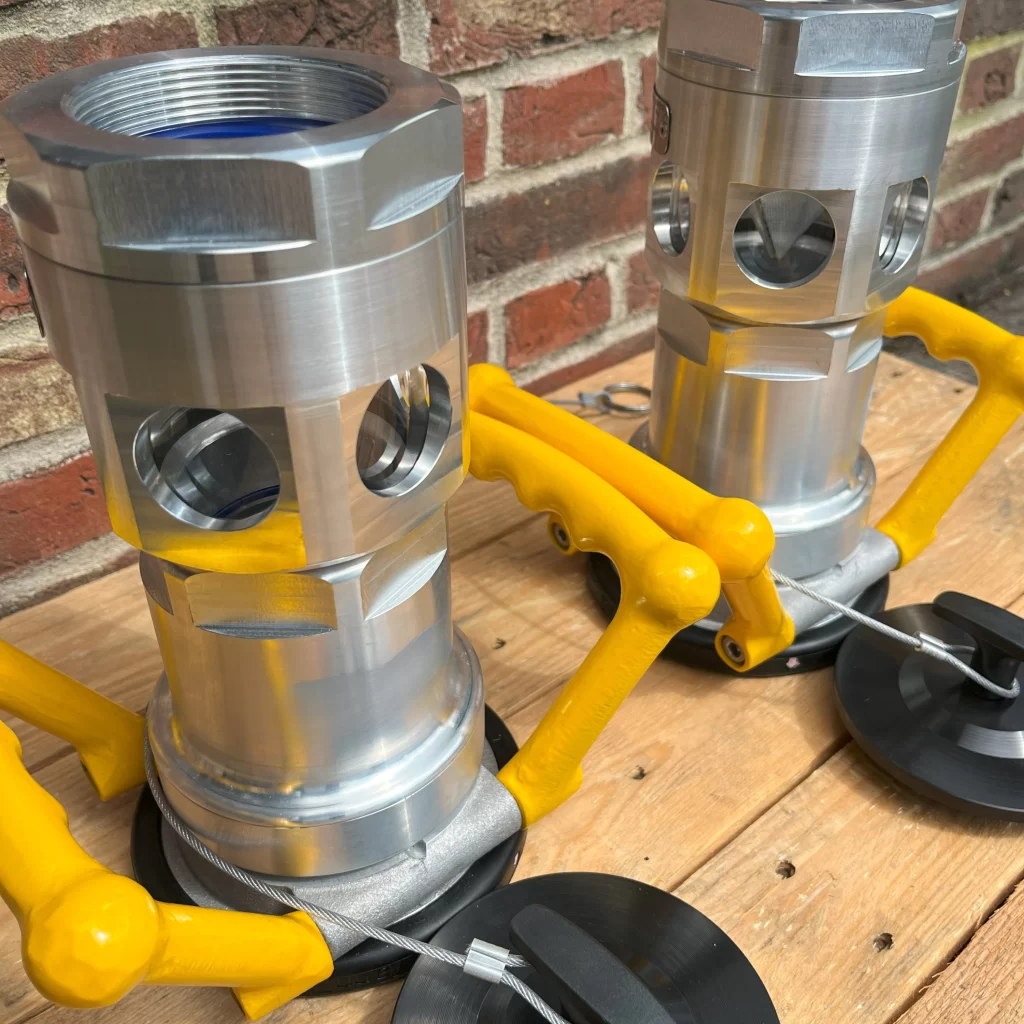
Unlike traditional connection methods, MannTek aviation couplings allow for a dry-break connection, meaning the coupling can be connected and disconnected with minimal to zero spillage. This helps reduce fuel loss and significantly limits the opportunity for contaminants such as moisture or dirt to enter the system during transfer.
Importantly, the coupling range is manufactured in accordance with ISO 45 and STANAG 3105 standards, which are widely recognised within aviation refuelling applications. This ensures compatibility and performance alignment with established international requirements, which is a key consideration in airport and defence-related fuel handling environments.
The design also focuses on operational reliability, with robust construction suitable for repeated use in demanding airport environments. Integrated safety features and secure locking mechanisms help ensure a stable connection during operation, while optional features such as dust caps/plugs and sight glasses further support safe handling.
In practice, this means operators get a more controlled and predictable connection point, which is exactly where consistency matters most in fuel handling operations.
Final Thoughts
Fuel integrity isn’t just about what happens in storage tanks, filtration systems, or lab testing. It’s also about what happens in the moments when equipment is connected and disconnected under real operating conditions.
That’s often the point where the system is most vulnerable, and also where the right equipment choice can make the biggest difference. With purpose-designed solutions like MannTek aviation couplings, a lot of the common risks can be reduced before they have a chance to affect fuel quality or operational performance.
