Size
Between 0.5 to 2 inches

Products
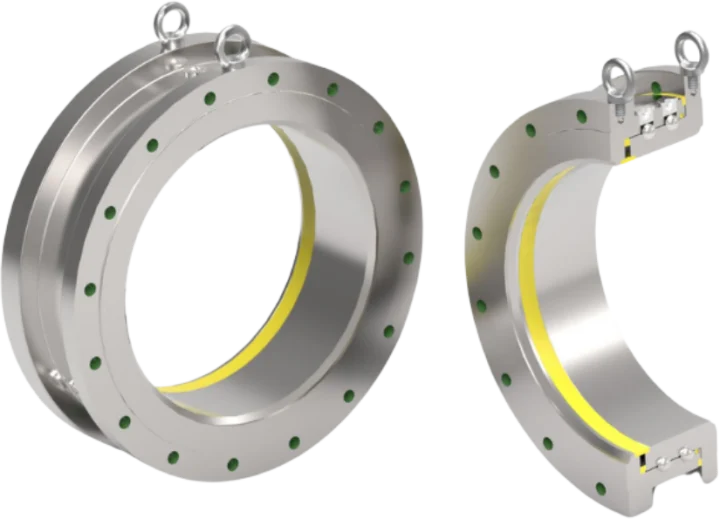
½” to 72”, available in various materials & configurations, with designs suitable for applications across all industries
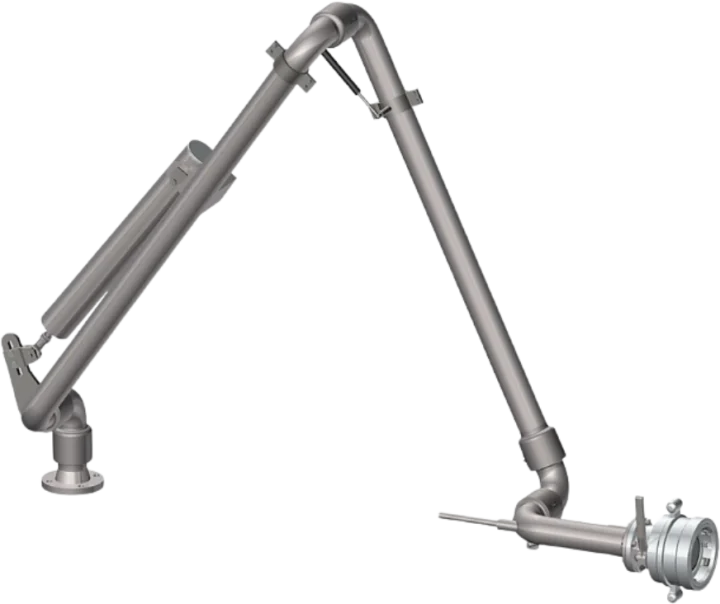
EWFM’s Loading Arms deliver efficient, flexible, and safe transfer solutions for trucks, rail cars, and facilities

A range of floating suction units, geodesic domes, internal floating roofs, tank seals, roof drains, & oil skimmers

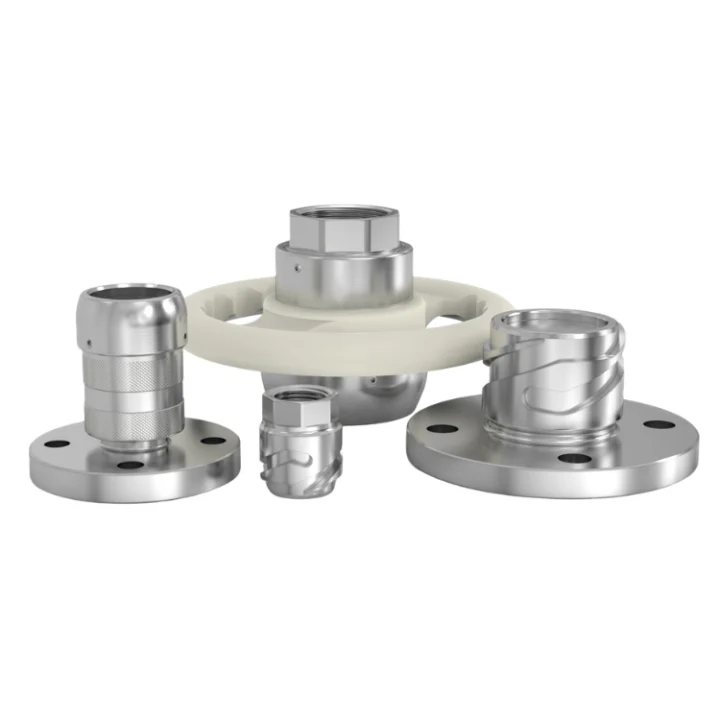
Quick, dry, & safe connections for liquid, gas, & cryogenic medias. A variety of materials & end connections available
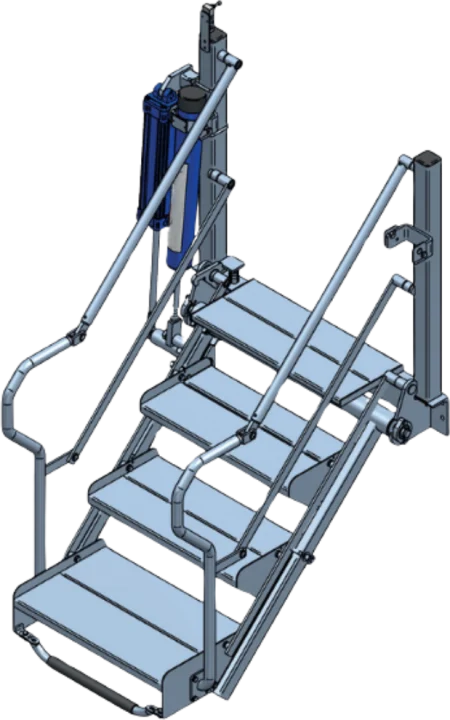
Tanker loading gantries, folding stairs with bespoke safety cages, top tanker mobile step units, & access platforms

Custom-made automatic & manual delivery nozzles, filling & emptying heads. For fuels, chemicals, & beverages

Industrial, marine, & cryogenic Breakaways designed to prevent spills & damage during pull-away accidents
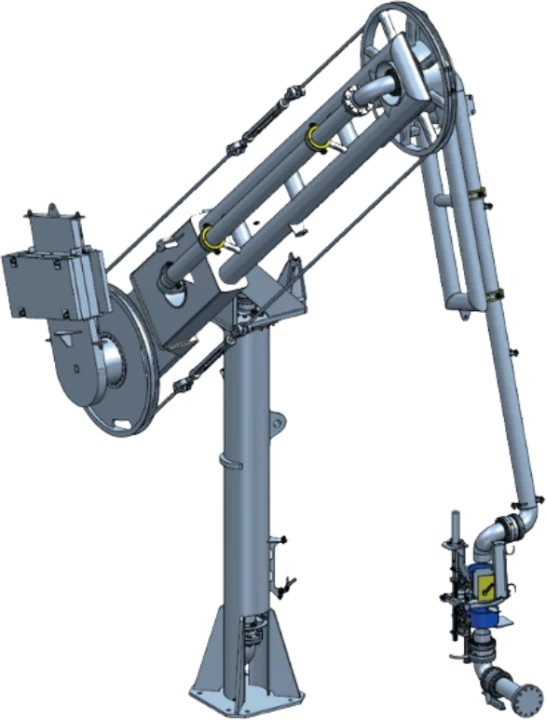
Manual, full & semi supporting arms for ship-to-shore liquid & gas transfer. Overhaul & servicing available

Focusing on future fuels, with products designed for LNG Ammonia, Methanol, rDME, Hydrogen, & Biodiesel

The safe handling & odour control of treated water, via tank covers, domes, baffles, & floating decanter arms
Browse full product catalogue
Need something bespoke?
Get in touch today.
Industries

Robust and reliable solutions designed for the oil and gas industry, enhancing safety, efficiency, and operational performance

Advanced systems for the chemical industry that enhance safety, ensure compliance, and improve efficiency across operations

We deliver high quality products to support the hygienic operations that are required to meet consumer expectations

In a sector where patient safety and product integrity are key, our equipment provides the reliability and precision needed

Products engineered for the cryogenics industry, designed to perform under extreme low temperatures and demanding conditions

Equipment and solutions for defence and aviation, built to withstand demanding conditions and meet rigorous safety standards
See more industries we support
Size
Between 0.5 to 2 inches
Material
Hastelloy, Ptfe Lined, Stainless Steel
The Drum Filling Head with automatic level sensor provides safe, controlled filling and emptying of drums, IBCs, totes, and casks. Its automatic shut-off system prevents overfilling, reducing spills and product loss. Suitable for hazardous, chemical, food, and beverage products, it adapts to various container sizes and ensures reliable operation across pharmaceutical, cosmetics, chemical, distilling, and oil industries.
View all Filling and Emptying Equipment


The Drum Filling Head with an automatic level sensor provides a safe, reliable, and user-friendly solution for filling drums, IBCs, totes, barrels, and casks. It is designed to handle a wide range of substances, including hazardous fluids, alcohols, and food products, making it suitable for industries such as pharmaceuticals, cosmetics, chemicals, foods and beverages, distilling, and oil.
This versatile Drum Filling Head can be configured for filling, emptying, or both, depending on your operational requirements. It typically comes with one product port and one vapour port and is fitted with an Endress & Hauser tuning fork overfill level sensor to automatically signal liquid shut-off when connected to your system or pump. An IBC adaptor is also available for use with larger containers, ensuring flexibility across different applications.
Tel: +44 (0) 1763 248 650
Email: sales@ewfm.co.uk
To keep up to date with news on how we are supporting our customers, our latest blogs and new services available, keep checking in on our website throughout the year and follow us on social media.
Available Sizes:
0.5″ / 1″ / 1.5″ / 2″
Materials:
Stainless Steel / Hastelloy / PTFE lined
End Connections:
Threaded – BSP & NPT
Flanged – ANSI & PN
Tri Clamp
Applications:
Chemical / Food and Drink / Pharmaceutical / Oil and Gas
Additional extras:
Nitrogen purge
Extended lance
Compenstators
IBC adaptors
Signal Switches (to signal when the head is in use)
Steam heating for viscous media
We can visit your site to inspect your systems, identify optimisation opportunities, and recommend the best-engineered solutions.