
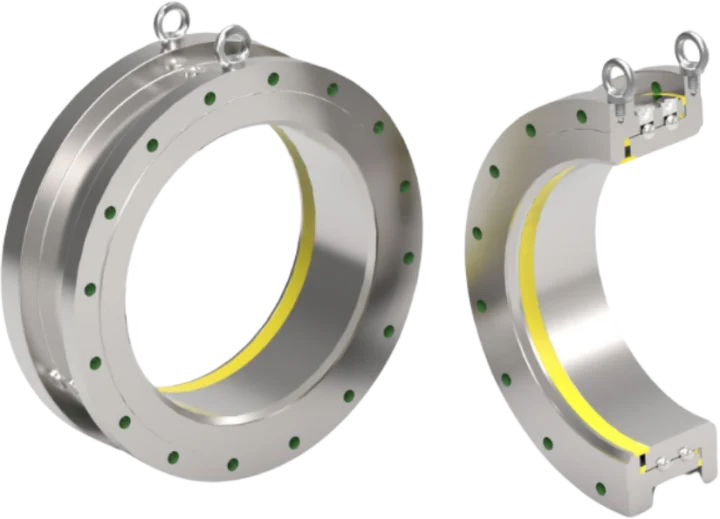
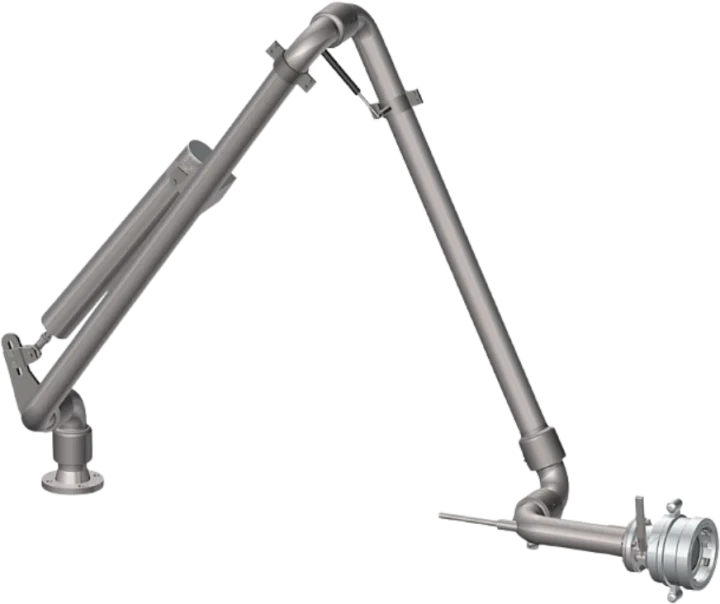




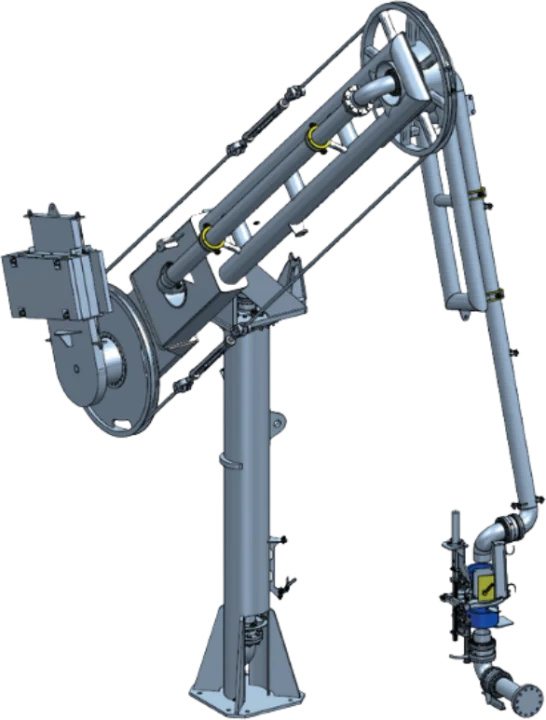



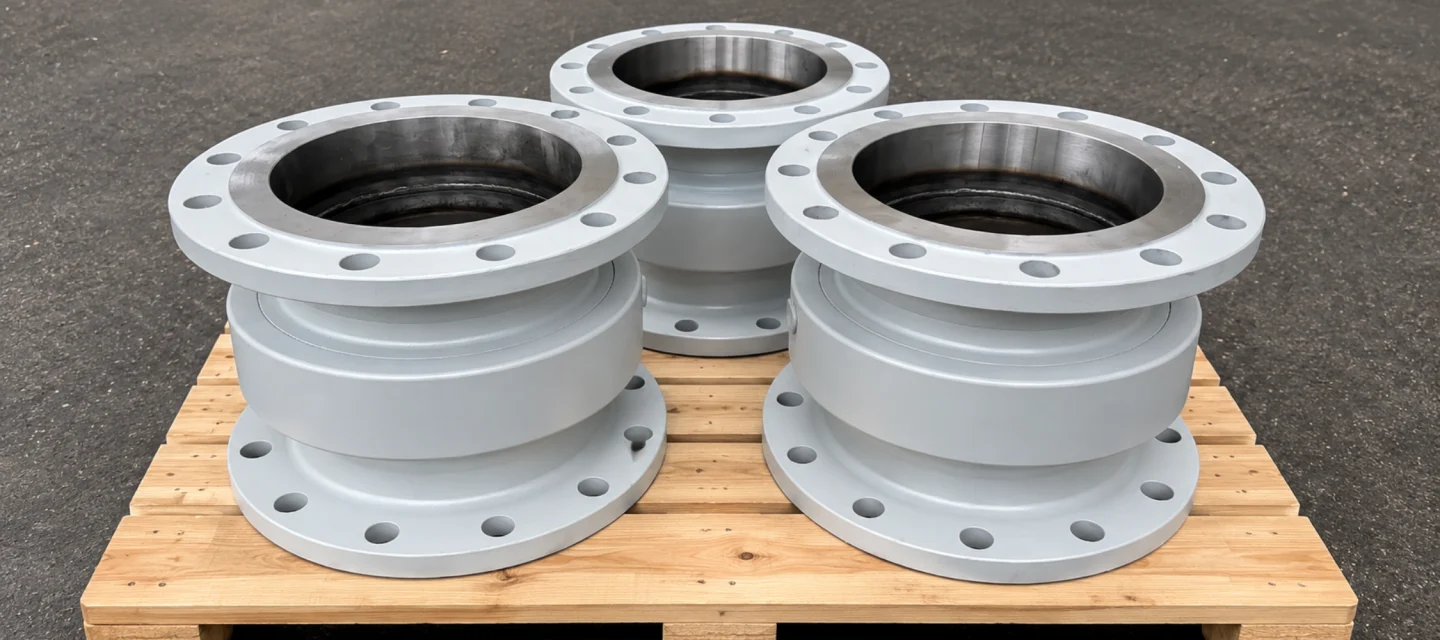
Swivel Joints play an important role in industrial fluid transfer systems, allowing rotational movement while reducing unnecessary stress on connected hoses and pipework.
From Loading Arms and Hose Reels to Floating Suction Units, these components help maintain a reliable fluid connection while accommodating rotational movement.
However, like any mechanical component, Swivel Joints can experience wear or damage over time.
When a Swivel Joint fails, the consequences can include product leakage, unplanned downtime, increased maintenance costs and potential safety risks.
Understanding what causes Swivel Joint failure and how to prevent it can help operators maintain reliable equipment and avoid unnecessary disruption.
Why Do Swivel Joints Fail?
Swivel Joints operate under a wide range of conditions, including varying pressures, temperatures, mechanical loads and transferred products.
Although manufacturers design these components for demanding applications, several factors can affect their performance and service life. Even when correctly specified, Swivel Joints remain subject to mechanical wear, environmental exposure and changes in operating conditions.
Identifying developing problems early allows maintenance teams to take appropriate action before more serious failures occur.
The Most Common Causes of Swivel Joint Failure
1) Natural Wear and Tear
Like most mechanical components, Swivel Joints experience gradual wear throughout their working life.
Repeated rotation and continuous operation can affect internal components, including seals, bearings and bearing raceways.
Over time, this wear may increase friction, restrict movement or reduce sealing performance.
The rate of deterioration depends on factors such as operating frequency, mechanical loading and the surrounding environment.
How to prevent it: Carry out regular inspections and monitor the joint for changes in rotational movement or sealing performance. Replace worn components when necessary and follow the manufacturer’s maintenance recommendations.
2) Lack of Routine Inspection and Maintenance
Even a correctly specified Swivel Joint requires appropriate inspection and maintenance throughout its service life. Without regular checks, minor issues such as small leaks, developing corrosion or increased rotational resistance may go unnoticed.
Over time, these problems can worsen and lead to more significant equipment damage or unexpected downtime. Maintenance requirements vary depending on the Swivel Joint design and operating conditions. Some joints may require periodic lubrication, while others are supplied with lubrication arrangements that do not require routine greasing.
How to prevent it: Establish an inspection and maintenance programme based on the manufacturer’s recommendations and the application’s operating conditions. Record any changes in performance and investigate developing issues promptly.
3) Excessive Mechanical Stress
Swivel Joints accommodate rotational movement, but every design has mechanical limits.
Unexpected forces, poor pipework support or changes to the installation can place additional stress on the joint.
For example, a Loading Arm that becomes unbalanced or experiences excessive external forces may transfer additional loading into its Swivel Joints. Over time, this can contribute to increased bearing wear, restricted rotation and premature component failure.
How to prevent it: Ensure connected equipment remains correctly supported and aligned. Inspect installations for changes that could introduce additional mechanical loading, particularly following maintenance or modifications.
4) Contamination and Environmental Exposure
Industrial environments can expose Swivel Joints to dirt, dust, moisture and other contaminants.
Depending on the joint’s design and sealing arrangements, contamination may affect moving components or contribute to increased wear.
External corrosion can also develop where equipment experiences prolonged exposure to moisture, chemicals or harsh weather conditions.
Although Swivel Joints are specified using materials suitable for their intended application, environmental conditions can change throughout their working life.
How to prevent it: Keep equipment appropriately protected and inspect exposed surfaces for corrosion or damage. Follow suitable cleaning and maintenance procedures, taking care not to introduce contaminants into the joint.
5) Changes in Operating Conditions
A Swivel Joint is selected based on the operating information available during the initial enquiry and quotation process. However, site requirements can change over time.
For example, an operator may introduce a different transferred product, increase operating pressure or alter the equipment’s movement requirements.
These changes may affect whether the original Swivel Joint specification remains suitable.
Operating outside the joint’s intended limits can accelerate wear or increase the risk of failure.
How to prevent this: Review the Swivel Joint specification whenever operating conditions change. Confirm that the existing equipment remains suitable before introducing new products, pressures, temperatures or movement requirements.
Why Correct Specification Matters from the Start
Preventing premature Swivel Joint failure begins before the equipment is installed.
During the initial enquiry and quotation stage, gathering accurate information about the intended application helps ensure the correct product is selected.
At EWFM, our sales team works with customers to establish the operating requirements before recommending a suitable Swivel Joint.
Important considerations include:
- Transferred Product: Understanding the media being handled helps determine suitable construction and sealing materials.
- Operating Pressure: The Swivel Joint must accommodate the application’s pressure requirements.
- Operating Temperature: Temperature influences material selection, sealing arrangements and lubrication requirements.
- Materials and Seals: Components must suit the transferred product and operating environment.
- Movement and Mechanical Loads: The design must accommodate the expected rotational movement and loading conditions.
- End Connections: Connections must suit the existing pipework and installation requirements.
By establishing these details during the quotation process, EWFM can recommend equipment designed for the intended conditions.
However, correct specification is only the first step. Appropriate installation, inspection and maintenance remain essential throughout the equipment’s working life.
How Can Swivel Joint Failure Be Prevented?
Although natural wear cannot always be avoided, several preventative measures can help operators maintain reliable Swivel Joint performance.
Carry Out Regular Inspections
Routine inspections allow maintenance teams to identify changes in equipment condition before they develop into more serious problems.
Operators should check for leakage, corrosion, physical damage and unusual resistance during rotation.
EWFM recommends checking its standard Model 2174 and 2175 Swivel Joints at least every six months for leakage and consistent rotational movement. However, inspection requirements depend on the specific model, application and operating conditions.
Follow the Correct Maintenance Procedures
Different Swivel Joint designs require different maintenance approaches.
For example, some Engineered Swivel Joints arrive pre-lubricated and do not require routine greasing under normal operating conditions.
Maintenance teams should therefore avoid applying the same lubrication or seal replacement schedule to every joint. Always follow the relevant manufacturer’s instructions and ensure trained personnel carry out maintenance safely.
Review Changes to the Installation
Equipment modifications can introduce additional forces or alter how a Swivel Joint operates.
Changes to pipework, Loading Arms or other connected equipment should prompt a review of the installation. This helps ensure the joint continues to operate within its intended mechanical limits.
Warning Signs Your Swivel Joint May Be Failing
Swivel Joint problems often develop gradually, allowing operators to identify warning signs before a more serious failure occurs.
Common indicators include:
- Visible Leakage: Product escaping around the joint or sealing arrangement.
- Restricted rotation: Increased resistance or difficulty moving the connected equipment.
- Unusual noise: Grinding or other unexpected sounds during movement.
- Corrosion or damage: Visible deterioration, cracking or deformation.
- Recurring maintenance issues: Problems that continue to develop despite previous servicing.
These symptoms do not always mean the entire Swivel Joint requires replacement. However, they indicate that further inspection is necessary.
Should You Repair or Replace a Failed Swivel Joint?
When a Swivel Joint develops a fault, replacement is not always the only option.
Depending on its condition and design, refurbishment may provide a practical way to restore its performance. For example, a joint experiencing seal deterioration may only require replacement seals and appropriate servicing.
However, more serious damage to the body, bearing raceways or other critical components may make replacement the more suitable option.
Several factors can influence this decision, including the extent of the damage, overall equipment condition, availability of replacement parts, operating requirements and the potential cost of downtime.
At EWFM, we offer a Swivel Joint Refurbishment & Repair service, allowing customers to return existing Swivel Joints for assessment and, where suitable, refurbishment.
Once the necessary repairs have been completed and the equipment has passed the required checks, the Swivel Joint can be returned to the customer for continued operation.
Where refurbishment is not practical, we can recommend a suitable replacement from our extensive range of Standard and Engineered Swivel Joints.
Keeping Your Swivel Joints Operating Reliably
Swivel Joint failure can result from several factors, including natural wear, inadequate maintenance, excessive mechanical stress, contamination and changes in operating conditions.
Although normal wear cannot always be avoided, correct specification and appropriate maintenance can help reduce the risk of premature failure. Regular inspections also give operators an opportunity to identify developing problems before they cause significant disruption.
Whether a Swivel Joint requires servicing, refurbishment or replacement, understanding the cause of the problem is essential for preventing it from happening again.
At EWFM, we supply a comprehensive range of Swivel Joints alongside maintenance, refurbishment and repair support for demanding industrial applications.
Experiencing problems with an existing Swivel Joint? Get in touch with EWFM to discuss your equipment and operating requirements.
