








The energy industry is changing, with alternative fuels becoming an increasingly important part of future energy infrastructure.
From Hydrogen and Ammonia to Biodiesel and Methanol, businesses are exploring different ways to reduce emissions and diversify their energy sources.
However, these fuels do not all behave in the same way. Each presents different challenges during storage, handling, loading and unloading.
So, can the same fluid transfer equipment be used for every alternative fuel?
Not necessarily. Understanding each fuel’s properties is essential when selecting equipment for safe and reliable operations.
Understanding the Different Types of Alternative Fuels
Alternative fuels have different physical and chemical properties, which influence how they must be handled.
EWFM’s Renewable Energy Equipment range covers six fuels relevant to the energy transition.
Hydrogen
Hydrogen is gaining attention for industrial processes, transport and energy storage. It can be handled as a compressed gas or cryogenic liquid. Its flammability, storage requirements and potential effects on certain metals make equipment specification particularly important.
Ammonia
Ammonia is widely used in industry and is attracting interest as an energy carrier and alternative marine fuel. However, its toxicity requires careful containment. Depending on the application, operators may transfer it as a pressurised or refrigerated liquid.
Methanol
Methanol is a liquid at ambient temperatures, making it comparatively straightforward to store and transfer. It is gaining attention as an alternative marine fuel, particularly when produced through renewable pathways. However, its flammability and toxicity mean suitable materials, seals and connections remain essential.
Biodiesel
Biodiesel provides an alternative to conventional diesel in suitable applications. Although existing liquid fuel infrastructure may be suitable, operators must consider the specific fuel blend, material compatibility and storage conditions.
Renewable Dimethyl Ether (rDME)
Renewable Dimethyl Ether, or rDME, can be produced using renewable feedstocks. Unlike conventional liquid fuels, DME is generally handled as a pressurised liquefied gas at ambient temperatures. This creates specific requirements for containment, seals and pressure management.
Liquefied Natural Gas (LNG)
LNG is natural gas cooled to approximately -162°C for storage and transportation. Conventional LNG is generally fossil-derived, although renewable liquefied methane is also available. Its extremely low temperature requires specialist materials, seals and equipment designed for cryogenic service.
Why Alternative Fuel Transfer Requires Different Equipment
Although these fuels may serve similar purposes, their handling requirements vary considerably. Several factors influence the specification of suitable fluid transfer equipment.
Temperature and Pressure
Operating conditions differ between fuels.
LNG requires cryogenic temperatures, while rDME is commonly handled under pressure. Methanol and Biodiesel can generally be transferred as liquids at ambient temperatures under suitable conditions. These differences influence equipment construction, sealing arrangements and operating limits.
Material and Seal Compatibility
Not every material is suitable for every fuel.
Some products may affect metals or sealing materials, depending on their chemical properties and operating conditions. Correct material selection helps maintain reliable connections and reduce the risk of premature deterioration.
Leakage and Accidental Separation
Handling flammable, toxic or pressurised products requires appropriate safety measures.
Loading and unloading operations may involve risks associated with hose connections, vehicle movement and accidental disconnection. Suitable Couplings and Breakaway Couplings can help manage these risks as part of a correctly designed transfer system.
Movement During Transfer
Loading Arms and Swivel Joints allow controlled movement between fixed pipework and vehicles or vessels.
However, equipment must accommodate the intended mechanical loads, pressure and temperature conditions. Correct specification helps maintain reliable operation throughout the transfer process.
Why Correct Equipment Specification Matters
With different fuel properties, selecting transfer equipment involves more than choosing a connection size.
At EWFM, our team works with customers during the enquiry and quotation stage to establish the intended operating requirements.
Important considerations include:
- Transferred fuel: Product composition and compatibility requirements.
- Temperature and Pressure: The conditions equipment must accommodate.
- Materials and Seals: Suitability for the fuel and operating environment.
- Connections: Compatibility with existing pipework and transfer arrangements.
- Movement: Expected rotational movement and mechanical loads.
- Safety: Application-specific containment and separation requirements.
Gathering this information early helps ensure the recommended equipment suits the intended application.
How EWFM Supports Renewable and Alternative Fuel Transfer
EWFM supplies a range of Renewable Energy Equipment for Hydrogen Ammonia, Methanol, Biodiesel, rDME and LNG applications.
Our equipment range includes:
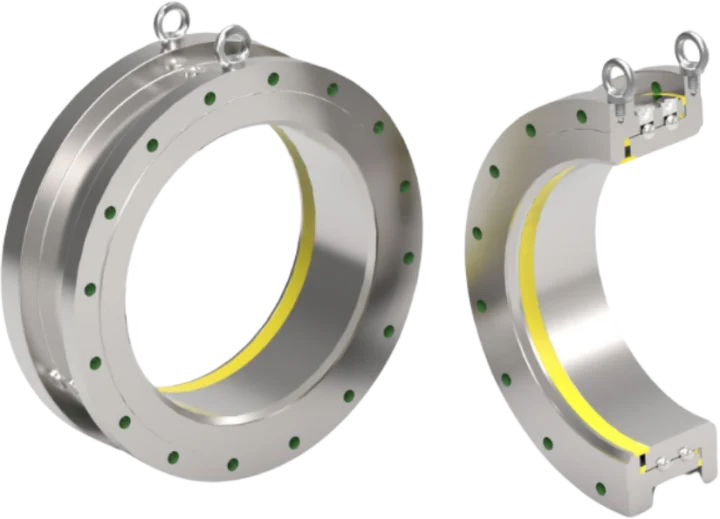
Swivel Joints
Allow rotational movement within fluid transfer systems while maintaining a sealed connection. Standard and Engineered configurations are available for different operating requirements.
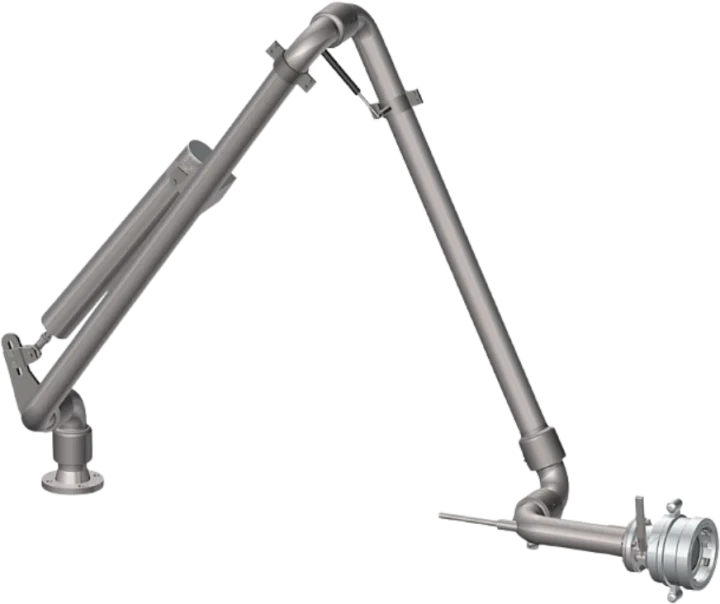
Land Loading and Unloading Arms
Provide controlled transfer arrangements for suitable road tanker, rail and industrial applications.
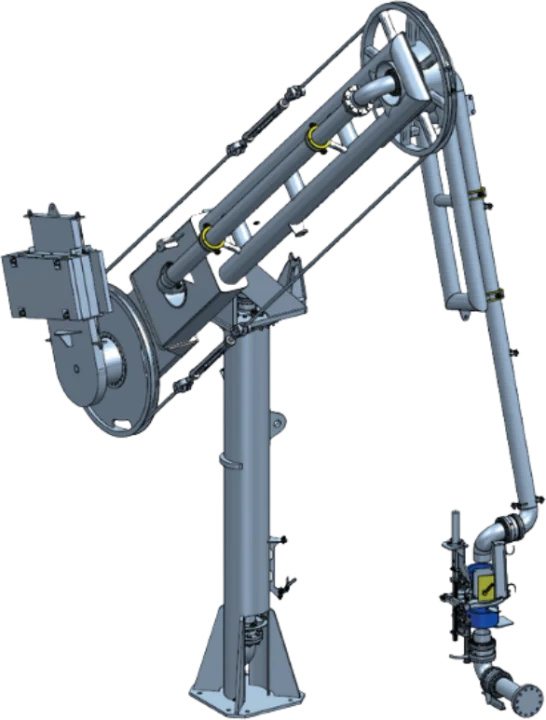
Marine Loading Arms
Designed for transferring fluids between vessels and shore-based facilities. These systems accommodate vessel movement during loading and unloading operations, with configurations selected to suit the transferred fuel and operating conditions.
Couplings
Provide connections between hoses, pipework and transfer equipment, with suitable designs helping minimise product release during disconnection.
Breakaway Couplings
Provide a controlled separation point when specified activation conditions occur, helping protect connected equipment and minimise product release.
The correct equipment and configuration depend on the transferred fuel and operating requirements.
Supporting the Future of Alternative Fuel Infrastructure
The transition towards alternative fuels creates opportunities alongside new engineering challenges.
Hydrogen, Ammonia, Methanol, Biodiesel, rDME and LNG each require careful consideration during storage and transfer.
There is no single equipment solution suitable for every application.
Understanding these differences and establishing the correct operating requirements helps businesses maintain safe and reliable fluid transfer operations.
At EWFM, we supply specialist equipment for renewable and alternative fuel applications, including Swivel Joints, Loading Arms, Marine Loading Arms, Couplings and Breakaway Couplings.
Working on an alternative fuel transfer project? Explore our Renewable Energy Equipment or get in touch with EWFM to discuss your requirements.
