







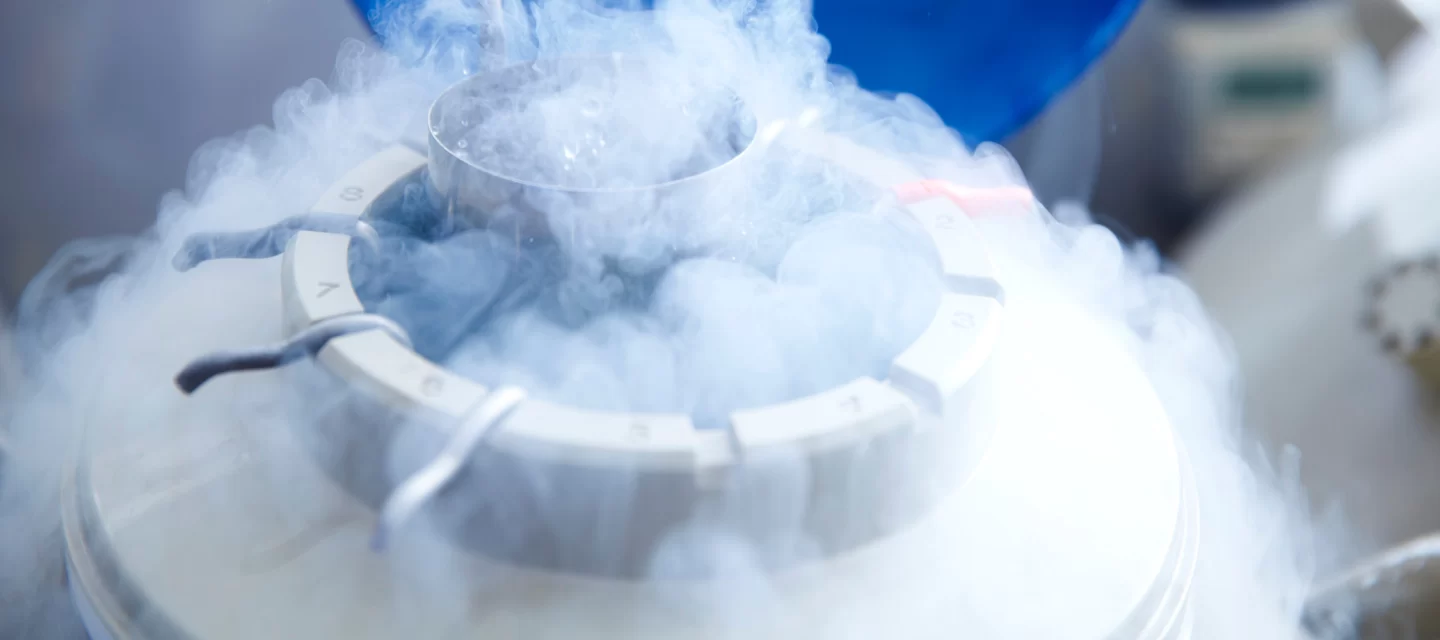
Cryogenic applications put fluid transfer systems under serious pressure. When you’re dealing with temperatures as low as -255°C (-427°F), plus constant movement and changing operating conditions, standard components quickly start to show their limits.
Swivel joints are no exception. On paper, a standard swivel joint might look suitable for a wide range of applications, but in cryogenic service, the reality is very different. Conditions like LNG transfer and industrial gas handling introduce challenges that can quickly lead to leaks, premature wear, or complete failure if the wrong equipment is used.
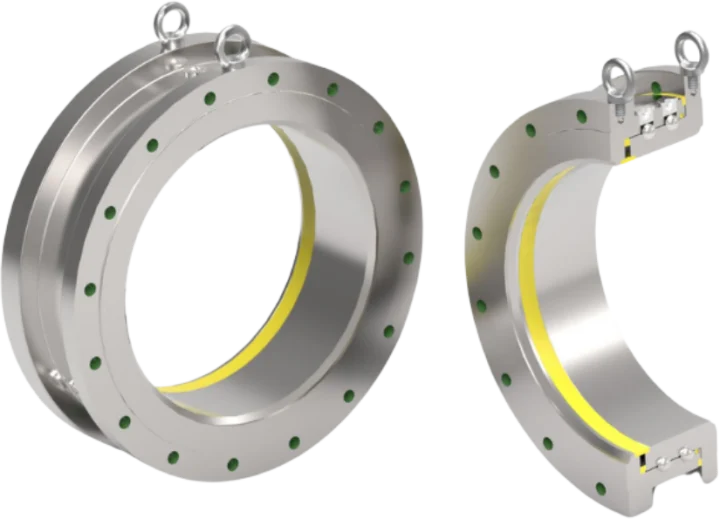
This is why purpose designed Cryogenic Swivel Joints are essential in applications such as LNG transfer, industrial gas handling, and other low temperature process systems.
What Makes Cryogenic Conditions So Demanding?
At these temperatures, everything behaves differently. Materials don’t flex the way they normally would, and the system as a whole is under a lot more stress than it might appear at first glance.
The main challenges are:
- Materials becoming more brittle: Metals and seals lose flexibility, which makes them far more likely to crack or fail under stress.
- Thermal contraction: Parts shrink at different rates, which puts extra stress through the system.
- Seal performance issues: Seals can stiffen, making it harder to maintain a reliable, leak-tight connection.
- Lubrication limits: Standard lubricants often don’t perform properly in extreme cold.
When you combine all of this with moving equipment, it doesn’t take much for problems to start appearing.
Why Standard Swivel Joints Struggle
Standard swivel joints are generally designed with more typical industrial conditions in mind. Once you take them into cryogenic service, a few weak points start to show.
- Material limitations
Some materials simply don’t perform well at extremely low temperatures. Over time, this can lead to cracking, distortion, or accelerated wear. - Seal breakdown
Seals that work perfectly at ambient temperatures can harden in cryogenic conditions, which affects their ability to maintain a proper seal. - Extra mechanical stress
Movement in the system, combined with thermal contraction, introduces stresses that standard designs aren’t really built to handle. - Reduced reliability in real-world operation
Cryogenic systems often involve regular movement during loading and unloading. Without the right design, this constant activity shortens service life significantly.
The Role of Cryogenic Swivel Joints
Cryogenic swivel joints are designed specifically to deal with these conditions. Rather than adapting a general purpose design, they’re built from the ground up for low temperature service.
In practice, that means they can:
- Rotate smoothly at ultra-low temperatures
- Handle thermal contraction without putting extra strain on the system
- Use materials that stay stable in cryogenic conditions
- Maintain reliable sealing even under extreme operating conditions
In applications like LNG transfer, that level of reliability is critical to keeping systems safe and running properly.
Where they’re used and why specification matters
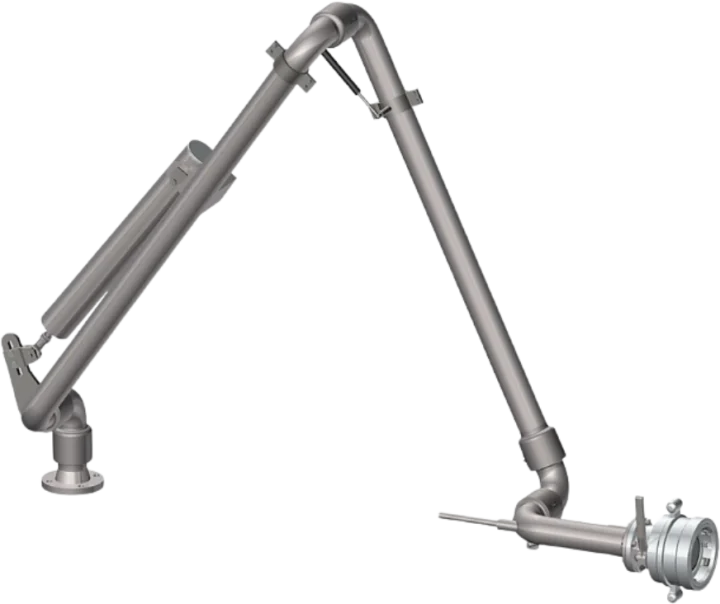
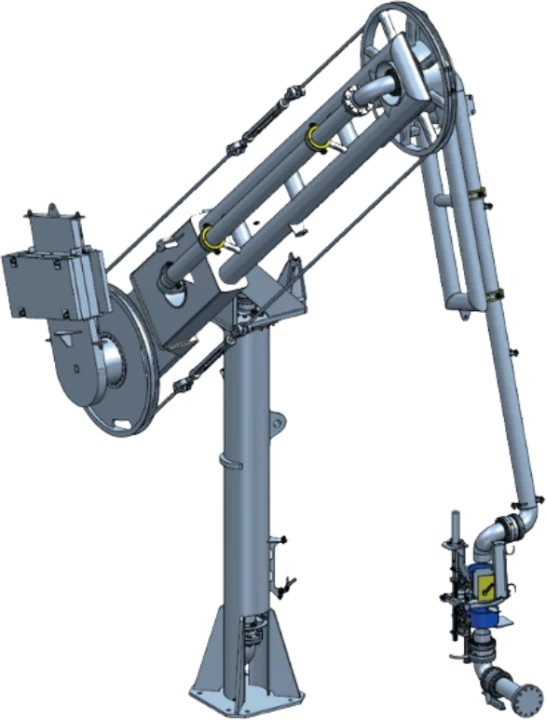
You’ll typically find cryogenic swivel joints in LNG storage and transfer systems, industrial gas applications, and other high-spec energy infrastructure where controlled movement is required.
In these environments, reliability isn’t optional. You can’t just choose a “cryogenic-rated” product and expect it to work. It needs proper specification.
That means looking closely at pressure and flow conditions, how often the system moves, material compatibility with the media, how the seals will perform, and how the joint integrates into the overall system design.
If any of that is wrong, you end up with avoidable downtime, higher maintenance costs, or in the worst cases, serious safety issues.
Final Thoughts
Standard swivel joints simply aren’t designed for cryogenic environments. Once you’re working at ultra-low temperatures, everything from materials to sealing behaviour changes, and components that work perfectly elsewhere can quickly become unreliable.
Cryogenic Swivel Joints are built specifically for those conditions. When they’re correctly specified, they help keep systems safe, reduce maintenance issues, and improve long term reliability in some of the most demanding applications out there.
At EWFM, we also support cryogenic applications with a wider range of equipment, including Cryogenic Couplings and Breakaway Couplings. Alongside our swivel joints, these products help ensure safe, controlled transfer of LNG and industrial gases, while protecting systems from unnecessary stress and potential damage.
