







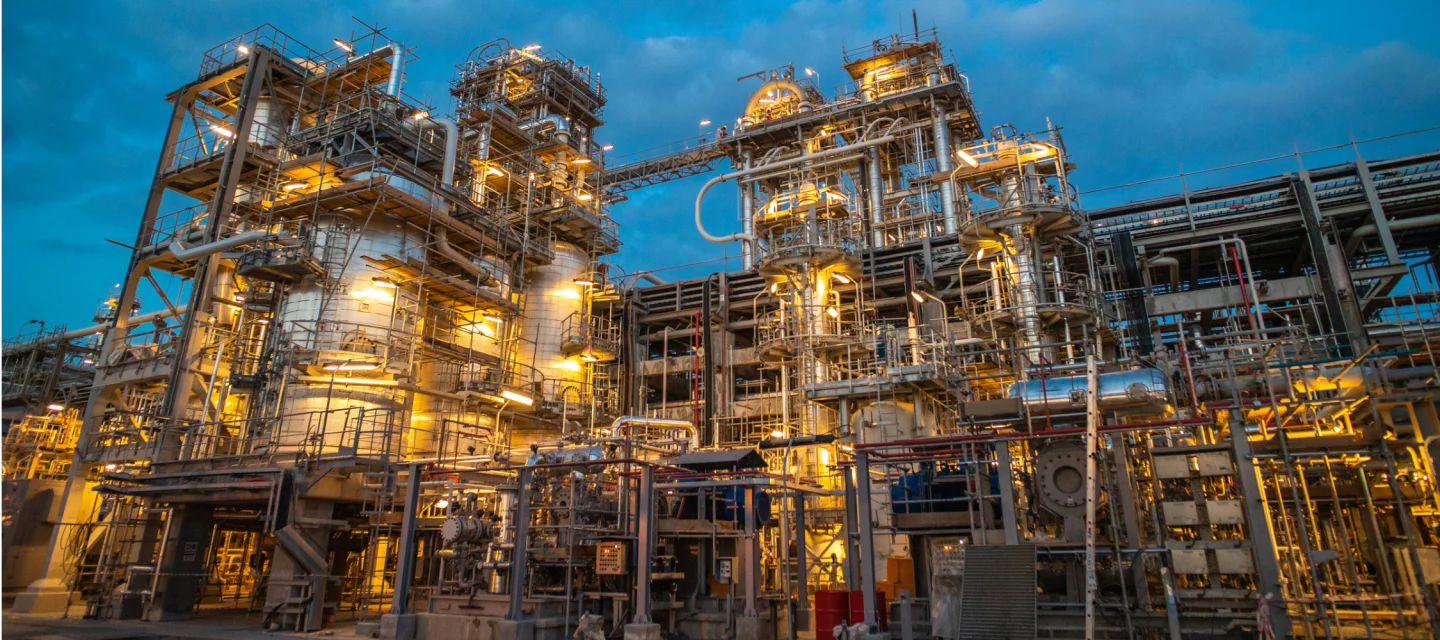
Within the Chemical Industry, manufacturers are continually looking for ways to improve production efficiency, reduce operating costs and minimise their environmental impact.
While businesses often focus on large-scale improvements to manufacturing processes, smaller, everyday product losses can easily go unnoticed.
A few drops of product during disconnection, a slightly overfilled drum or residual chemicals left inside a container may seem insignificant. However, when repeated hundreds of times throughout the working week, these losses can quickly accumulate.
So, where does avoidable waste occur in chemical manufacturing, and what can businesses do to reduce it?
The True Cost of Chemical Waste
The financial impact of chemical waste extends beyond the value of the product itself.
Every litre of wasted product represents raw materials, energy, labour and resources that have already contributed to its production.
Additional costs associated with chemical waste can include:
- Cleaning and decontamination of equipment and working areas.
- Collection, handling and disposal of chemical waste.
- Lost production time following spillages.
- Additional raw material requirements.
- Increase environmental management costs.
Depending on the chemical involved, product losses can also introduce additional heat and safety risks for operators.
Reducing waste is therefore not only an environmental consideration but also an opportunity to improve profitability and operational efficiency.
Where Does Product Waste Occur in Chemical Manufacturing?
Product waste can occur at various stages throughout the manufacturing process, from initial production through to packaging and distribution.
Overfilling Containers
When filling drums, Intermediate Bulk Containers (IBCs) or other vessels, inconsistent filling volumes can result in unnecessary product giveaway or spillages.
Even small differences between the required and actual filling volumes can lead to significant losses across large production runs.
Residual Product
When emptying containers, small quantities of chemicals can remain inside drums, IBCs, hoses and pipework.
Without suitable equipment and recovery procedures, businesses may dispose of this remaining product alongside the container or during equipment cleaning.
Connection and Disconnection
Connecting and disconnecting hoses and equipment is a routine activity within chemical manufacturing facilities.
However, conventional connections may allow small quantities of product to escape during disconnection. Over time, these repeated losses can contribute to unnecessary waste and cleaning requirements.
Small Losses, Big Consequences
To understand how quickly minor product losses can accumulate, consider a hypothetical chemical manufacturing facility filling 200 containers each day.
If each filling operation results in just 50 ml of wasted product, the accumulated losses could be substantial.
| Operating Period | Product Wasted |
| Per Day | 10 Litres |
| Per Week (5 Days) | 50 Litres |
| Per Month (20 Days) | 200 Litres |
| Per Year (250 Days) | 2,500 Litres |
That is 2,500 Litres of potentially avoidable product waste every year from just one manufacturing process.
For facilities operating multiple production lines or handling high-value speciality chemicals, the financial impact could be even greater.
This highlights why small improvements to everyday operations can make a meaningful difference.
How Can Chemical Manufacturers Reduce Product Waste?
Reducing waste does not always require a complete redesign of existing manufacturing facilities. Reviewing current processes, identifying areas of product loss and selecting suitable equipment can help businesses make incremental improvements.
At EWFM, we supply a range of equipment that can support these objectives.
Filling & Emptying Heads
Filling & Emptying Heads provide controlled filling and withdrawal of chemicals from drums and other containers.
Different configurations and optional features allow equipment to suit individual manufacturing requirements, helping operators improve filling and emptying processes while minimising avoidable product losses.
Engineered Delivery Nozzles
Engineered Delivery Nozzles provide operators with greater control during dispensing operations.
Both Manual and Automatic Nozzles are available, with automatic shut-off functionality on suitable models helping to reduce the risk of overfilling and spillages.
MannTek Dry Disconnect Couplings
MannTek Dry Disconnect Couplings are designed to minimise product release when connecting and disconnecting hoses and equipment.
For facilities carrying out frequent connection and disconnection operations, these couplings can help reduce product losses, cleaning requirements and operator exposure.
Safety Sampling Systems
Regular product sampling plays an important role in maintaining quality throughout chemical manufacturing.
Safety Sampling Systems support controlled sample collection, helping operators obtain samples while minimising unnecessary product release and exposure to the chemicals being handled.
Reducing Waste for a More Sustainable Future
As the Chemical Industry continues to work towards greater sustainability, reducing avoidable product waste remains an important consideration.
Making better use of raw materials can help reduce the resources required during manufacturing, alongside the amount of chemical waste requiring treatment and disposal.
While major investments in new technologies and infrastructure can support these objectives, smaller improvements to existing processes should not be overlooked.
Identifying where product losses occur and addressing them individually can contribute to long-term improvements in both environmental and financial performance.
Every Drop Makes a Difference
Reducing waste in chemical manufacturing is about more than preventing large-scale spillages. It is also about recognising the smaller, everyday losses that can accumulate throughout the production process.
By reviewing existing operations and investing in suitable equipment, manufacturers can take practical steps towards improving efficiency, reducing operating costs and making better use of valuable resources.
At EWFM, we supply specialist equipment for a wide range of applications within the Chemical Industry.
Looking to improve your chemical manufacturing processes? Explore our Chemical Industry Equipment range or get in touch with our team to discuss your requirements.
