








In the world of fluid transfer, safety is paramount, but the way we approach it is changing. Traditional systems like manual shut-off valves and whip restraints have served their purpose for decades. They’ve helped prevent some damage, managed a few spills, and added layers of control. But in today’s fast-paced, high-risk environments, where hazardous products, live loads, and human error cross, relying on reaction-based safety is no longer enough.
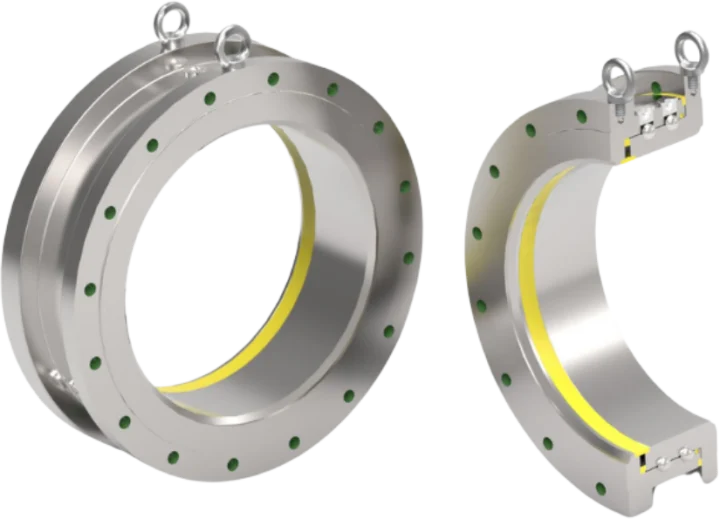
Breakaway Couplings take safety to the next level by stopping problems before they start. These components are designed to disconnect automatically under force and seal both ends of the transfer line within seconds. There’s no need for operator input or external signals, they simply work, when they’re needed most. This level of reliability, precision, and speed is why Breakaway Couplings are increasingly seen as a critical upgrade over previous safety solutions.
Where Traditional Systems Fall Short:
Manual shut-off valves are the most widely used safety component in fluid transfer, and while they do provide a means to isolate flow, they rely entirely on human reaction. In an emergency, there’s rarely time to assess the situation, locate the valve, and act fast enough to prevent a spill or injury. In some cases, operators may not even be close enough to the system when a pull-away or hose failure occurs. That delay, even if just a few seconds, can be costly.
Other safety measures such as whip restraints or anchor systems are designed to physically control a hose under strain, but they don’t address the flow of product itself. These systems do nothing to prevent the release of potentially dangerous liquids or gases. Even more outdated are weak-link systems, which intentionally allow a hose or connection break under pressure, but offer no containment, often resulting in full product loss and hazardous exposure.
The common thread with all of these systems is that they either depend on human intervention or are designed to respond only after failure has begun. They may reduce the severity of an incident, but they rarely prevent it entirely.
The Breakaway Advantage:
Breakaway Couplings are engineered with one purpose: to prevent catastrophic failure by disconnecting in a safe, controlled manner before significant damage can occur. When an external force, such as tension from a moving vehicle or a moving hose, exceeds a defined threshold, the coupling activates. It separates cleanly, and internal valves on both sides close instantly to stop the flow of media.

This is achieved using mechanisms such as breaking pins, which break at a set force, or cable release designs that trigger separation through external tension. Regardless of the method, the result is the same: the system is sealed, the flow is halted, and the risk is contained, all without any action required by an operator. The speed and self-sufficiency of this response is what sets Breakaway Couplings apart.
In high-risk sectors, even the smallest delays can result in serious environmental, safety, or financial consequences. With a Breakaway Coupling in place, those consequences can often be avoided entirely. Beyond safety, they also help minimise product loss, reduce cleanup time and keep systems operational with minimal downtime after an incident.
As industries continue to advance, so too must the systems we rely on to keep them safe. With stricter regulations, more volatile products, and a growing focus on environmental responsibility, relying on outdated, reactive safety measures is no longer enough. Breakaway Couplings offer a smarter solution, one that’s built around prevention, not just control.
While they may not be necessary in every setup, in any operation where movement, vehicles, or human error could pose a risk, they’re fast becoming the go-to choice. They don’t just reduce the impact of an incident, they help stop it from happening in the first place.
In a world where safety, uptime, and accountability all matter more than ever, Breakaway Couplings are a must.
Our Current Breakaway Coupling Range
If you’re considering a move away from traditional, reaction-based safety components, our range covers both standard and engineered options:
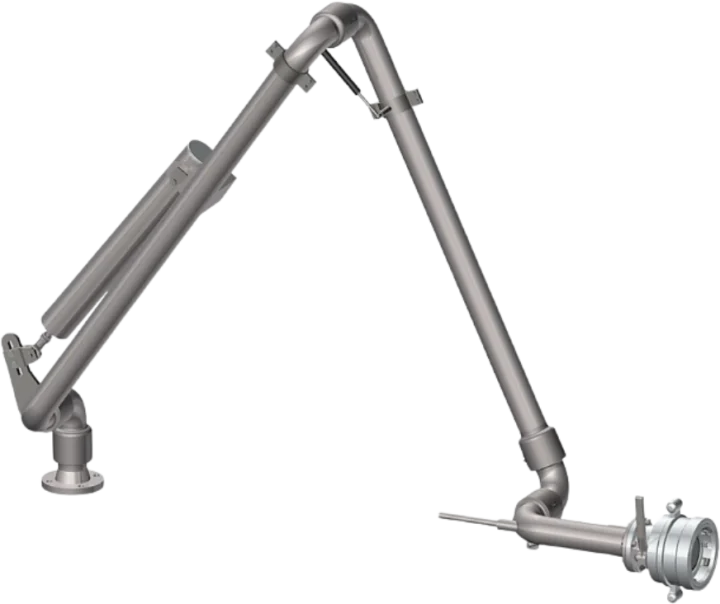
MannTek Breakaway Couplings
Engineered Breakaway Couplings
- In-Line Breakaway Coupling
- Breakaway Coupling with Cable Control
- Full Bore Safety Breakaway Coupling
- Marine Floating Hose Breakaway Coupling
Choosing the Right Breakaway Coupling Over a Traditional System
Not every setup needs a breakaway coupling, but the decision usually comes down to a few key risk factors:
- Is there vehicle or vessel movement involved? Any system where a tanker, ship, or rail car pulls away from a connection is a strong candidate, this is exactly the pull-away scenario breakaway couplings are built for.
- What’s being transferred? The more hazardous, volatile, or environmentally damaging the product, the higher the cost of a slow, manual response, and the stronger the case for automatic disconnection.
- How exposed is the connection point to human error? If operators are often at a distance, managing multiple lines, or working under time pressure, reaction-based systems like manual valves carry more risk than automated ones.
- What’s currently in place? If you’re relying solely on whip restraints, anchor systems, or weak-link designs, it’s worth noting these control the hose or contain a failure, they don’t stop product release itself. A breakaway coupling can work alongside these as an added layer, or replace weaker components entirely.
- Release mechanism fit: breaking pin couplings suit applications where a specific, calculated force threshold is straightforward to define; cable release designs suit setups where control via a physical pull mechanism is preferred.
Explore the full range on our Breakaway Couplings category page, or get in touch with our team to talk through the right option for your application.
