







In a lot of industrial environments, spillage is just seen as part of the job. Something gets dropped, wiped up, and everyone moves on. But when you actually look at it properly, it’s rarely that simple. Every bit of product lost has a cost attached to it. That might be wasted material, extra clean-up time, safety risks, or even downtime you didn’t plan for. And most of the time, it’s happening right at the filling stage, the bit of the process people don’t really think about until something goes wrong.
The Real Impact of Spillage (Cost, Safety, and Risk)
A small spill here and there doesn’t usually feel like a big issue on its own. The problem is how quickly it builds up over time.
Across UK sites handling drums, IBCs and similar containers, spill incidents are still fairly common. Industry figures show there are thousands of spill events reported every year in the UK, with a large portion linked to transfer and handling operations rather than major system failures.
And even when they are small, the cost adds up quickly. Clean-up time, lost product, disrupted production, and in some cases compliance issues can all come from what started as a minor spill. It’s not unusual for a single incident to run into thousands of pounds once everything is factored in, especially when downtime is involved.
On top of that, there’s the safety side. Slips, exposure to chemicals, and general handling risks all increase when product isn’t fully controlled. Environmentally as well, once something is spilled, it’s a lot harder to manage than if it had been properly contained in the first place.
Why It Usually Happens at the Filling Point
In most systems, upstream processes are fairly well controlled. The issues tend to show up right at the end, when product is actually being transferred into a container.
This is where you see things like:
- Manual filling without proper control
- Misalignment between nozzle and container
- Lack of proper shut-off
- Equipment not really suited to the application
It’s also where operators are often working quickly, so small inconsistencies turn into spills. In a lot of cases, it’s not the process itself that’s the issue, it’s the level of control at the point of delivery.
Engineering a Better Way to Fill
Rather than dealing with spills after they’ve happened, the better approach is stopping them at source.
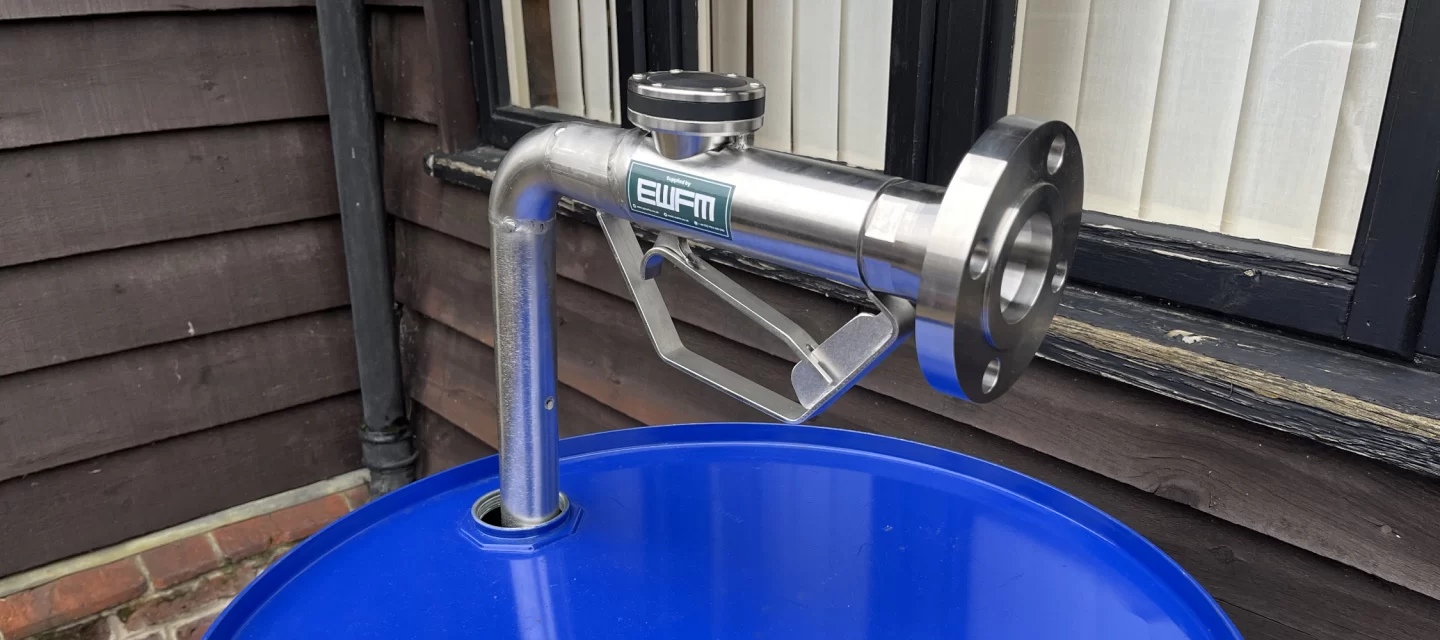
That’s where Engineered Delivery Nozzles come in.
A key part of the design is the option for manual or automatic operation, depending on how much control you want at the point of use. Manual systems give the operator full control over flow during filling, while automatic versions are designed to take that pressure away from the user.
On automatic setups, the nozzle will shut off once it detects back pressure, which typically indicates the container is full or flow has been restricted. That simple function helps reduce the risk of overfilling and cuts down on spillages caused by human reaction time.
The idea is straightforward, instead of relying entirely on operator judgement or standard equipment that doesn’t quite fit the job, the system is built around the actual application. Whether that’s drums, IBCs, or other containers, the setup is designed to give better control where it matters most.
In practice, that means:
- More consistent and controlled filling
- Reduced risk of overfilling and splashback
- Safer transfer points for operators
- Less product loss during routine use
From Problem Area to Controlled Process
Once the filling point is properly controlled, the difference is noticeable.
Instead of constantly cleaning up or adjusting things on the fly, the process becomes more predictable. Flow is consistent, shut-off is reliable, and operators can focus on the job rather than managing issues as they come up.
It doesn’t remove every challenge in a system, but it does take one of the most common weak points and turn it into something far more stable.
See It at ChemUK 2026
We’ll also have one of our Engineered Delivery Nozzles on display at ChemUK.
It’s one of those bits of equipment that makes a lot more sense when you actually see and handle it. Visitors will be able to get hands-on with it, see how it moves, and understand how it works in a real setup rather than just on paper.
