







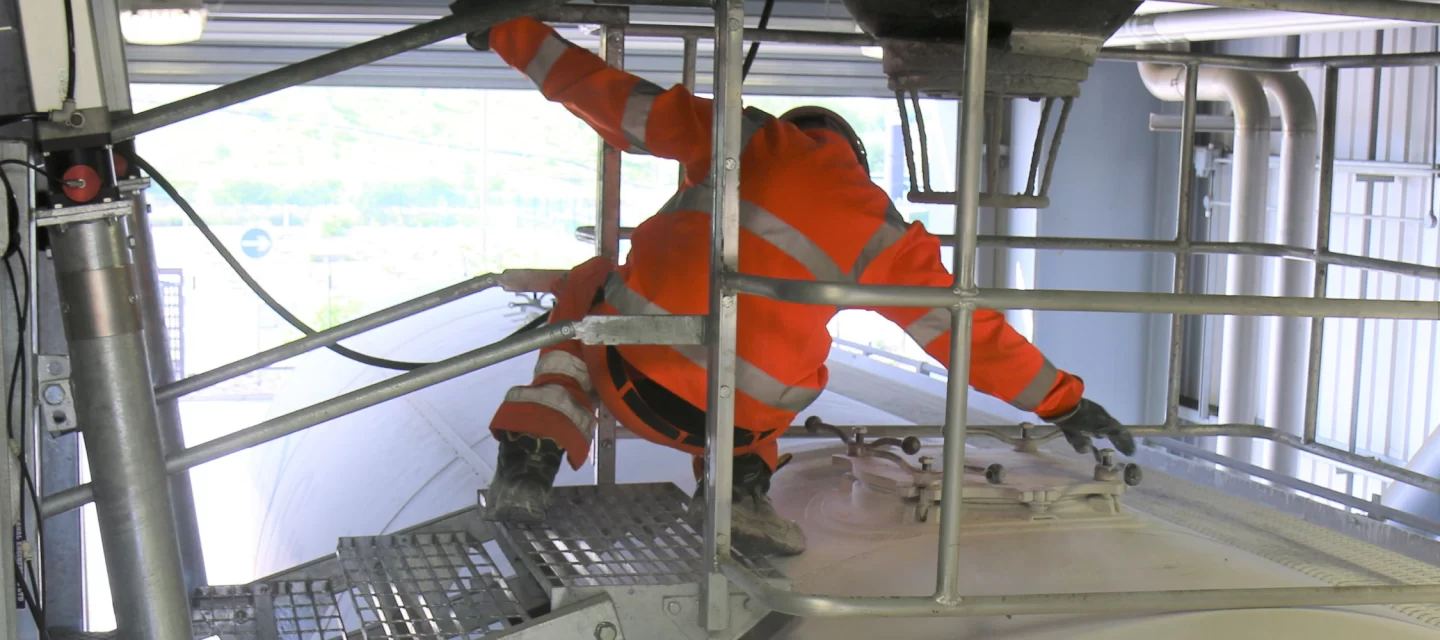
Across the industries we support, fluid transfer operations are engineered with a strong focus on safety, control, and reliability. From hose selection and connection integrity through to spill prevention and containment, the systems themselves are typically well designed and robustly managed. However, even in well engineered environments, there remains a critical area that is often not given the same level of attention.
The point where the operator interacts with the system.
In loading and unloading applications, accessing connection points on tankers, railcars, or elevated platforms is a routine part of daily operations. Yet the conditions under which this access is carried out can vary significantly depending on site layout, vehicle type, and infrastructure design. This variability introduces inconsistency into what is otherwise intended to be a controlled process.
And it is here that risk can begin to emerge, not from the fluid transfer equipment itself, but from how safely and consistently operators are able to access it.
Where Risk Appears in Fluid Transfer Operations
In most fluid transfer operations, the main focus is on the equipment. Hoses, couplings, and containment systems are all designed to ensure product is moved safely and under control. Most of the time, this works as it should. But not all risks come from the equipment itself.
A lot of issues happen at the point where the operator interacts with the system. This is the stage where connections are made or broken, or where access is required on tankers.
Unlike the equipment, this part of the process can change depending on the site, the setup, and the type of vehicle being used. Because of that, it doesn’t always receive the same level of attention during design, even though it is a key part of safe operation.
Inconsistent Access in Real World Environments
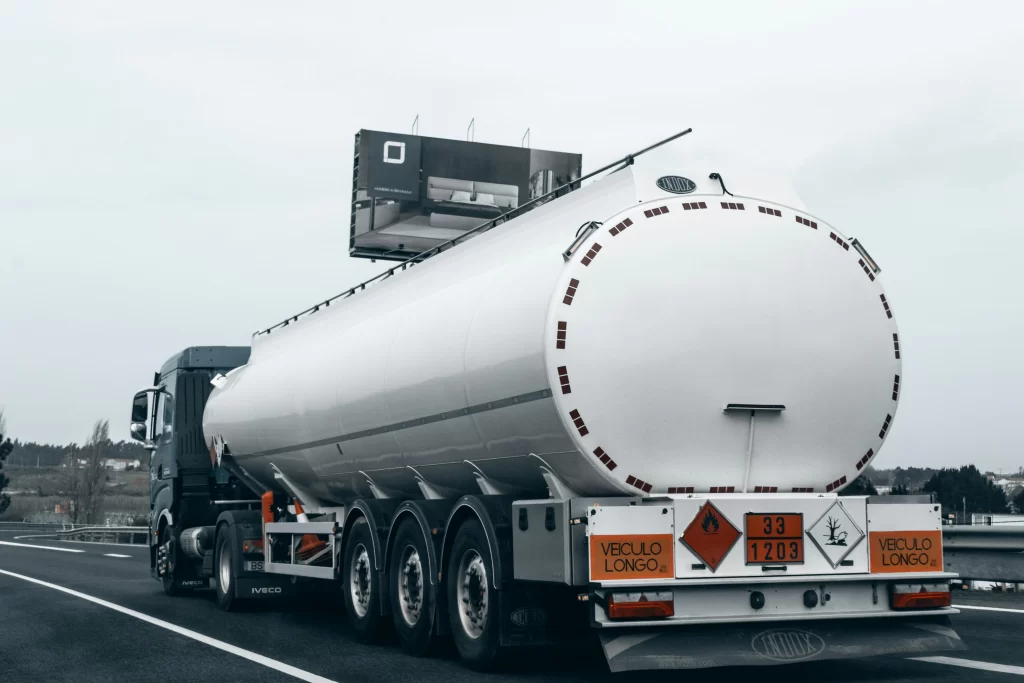
In real world applications, access is rarely the same from site to site. Different tankers sit at different heights, and loading points are not always set up in the same way. Some sites have fixed platforms, while others rely on more basic or older infrastructure. This means operators are often dealing with changing conditions throughout the day.
What works safely in one situation might not line up properly in another. This can lead to awkward positioning, extra steps, or operators having to adjust how they access the connection point each time. Over time, this inconsistency becomes normal, even though it introduces avoidable risk into the process.
How Operators Adapt and the Risks That Follow
When access isn’t consistent, operators will often find ways to make it work, even if those methods aren’t ideal from a safety point of view. In a number of site visits our sales team have carried out, we’ve seen how these challenges are managed in practice, and in some cases the approach to access is far from safe or controlled.
Even if these actions seem minor, they can still put operators in less stable positions, especially when repeated throughout a shift. It also increases the chance of slips, missed connections, or rushed movements when trying to keep things moving. What often starts as a small workaround can slowly become the normal way of working, even if it isn’t the safest option.
Safer Access Solutions for Loading Areas
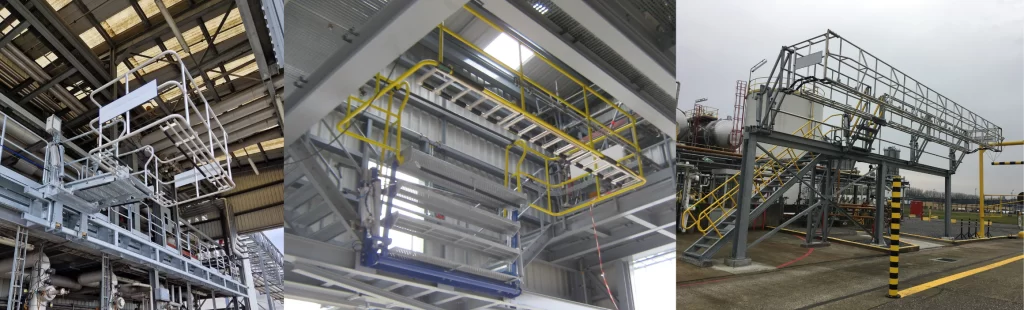
To reduce these risks, access needs to be more controlled and consistent. Instead of relying on portable steps or improvised solutions, many sites benefit from purpose built safety access systems designed specifically for loading and unloading environments.
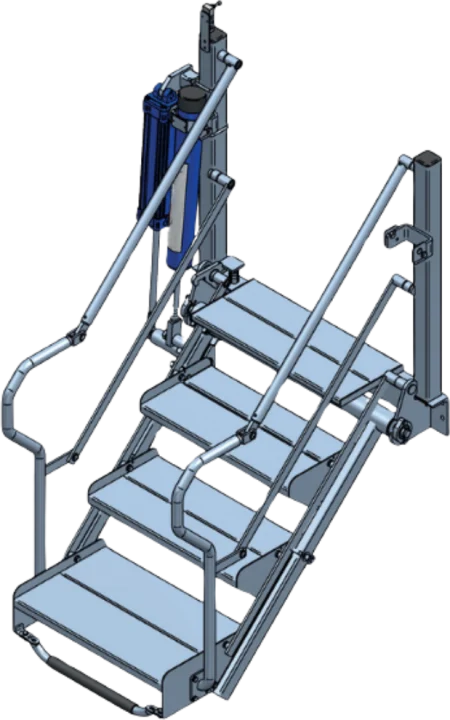
This can include folding stairs, sliding folding stairs, and wide folding stair units depending on the application. These systems are designed to give operators safe and stable access to elevated connection points. In many setups, they are also used alongside our range of safety cages to improve protection around open loading areas. The key benefit is that operators have a stable, engineered way of accessing equipment every time, regardless of the vehicle or site setup.
See One for Yourself at ChemUK 2026
In just under a month’s time, the EWFM team will be exhibiting at ChemUK 2026 at the NEC in Birmingham.
We’ll have an example of one of our folding stair systems on display on our stand at J10, giving visitors a chance to see how controlled and adaptable access can be achieved in a real-world setup.
Final Thoughts
A lot of focus in fluid transfer safety quite rightly goes on the equipment and the process itself. But as we’ve looked at, some of the biggest risks can appear at the point where the operator interacts with the system.
By designing access in a more controlled way, these risks can be reduced and the whole process becomes safer and easier to manage day to day.
