







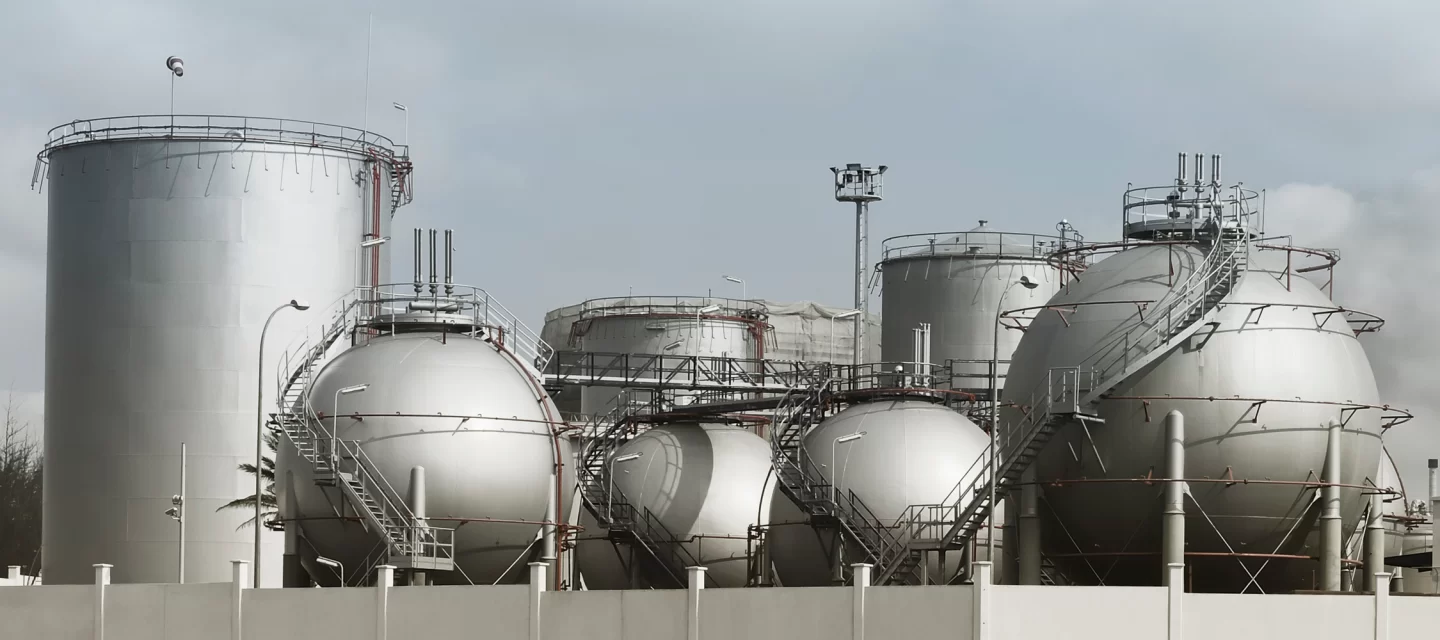
The UK energy sector has changed significantly over recent years and continues to move quickly. Renewable energy is now being produced and used at scale across the country rather than being a future target.
Renewables now account for over 50% of UK electricity generation, and this figure continues to rise as new projects come online. Investment in alternative fuels is increasing, more facilities are being developed, and existing sites are being adapted to handle a wider range of products.
However, while energy generation has advanced quickly, supporting infrastructure has not always kept pace. As renewable sites evolve, the demands on fuel storage, transfer and handling equipment are increasing and this is where many challenges begin.
The Growth of Alternative Fuels
Alternative fuels such as hydrogen, ammonia, LNG, methanol, biodiesel and rDME are becoming more widely used as industries move away from traditional fossil-based systems.
Across the UK, there is a clear increase in new renewable energy projects and fuel handling infrastructure. Some sites are completely new builds, while many existing facilities are being converted or upgraded to handle different products.
These fuels behave very differently. Many are highly sensitive to pressure and temperature and require a much higher level of control during transfer and storage.
The Challenge Behind Handling These Fuels
Much of the existing equipment was not designed for fuels such as hydrogen, ammonia or LNG. Even when it remains operational, it often results in higher maintenance, reduced efficiency and increased safety concerns during loading and unloading.
The reality is that fuel handling requirements have developed faster than some of the infrastructure being used to support them.
Where Equipment Needs to Improve
A lot of existing equipment wasn’t designed for duels like hydrogen, ammonia or LNG, and that’s where issues start to show. Even when it still works, it can mean more wear, more maintenance, and less efficiency than intended. The biggest concern is often safety during loading and unloading, where systems need to perform reliably every time. Overall, the demand of these fuels have moved on faster than some of the equipment being used to handle them.
The Role of Purpose Built Transfer Equipment
Purpose built transfer equipment is essential for handling modern alternative fuels safely and efficiently.
Hydrogen, ammonia, LNG, methanol, biodiesel and rDME all require equipment designed specifically for their properties and operating conditions.
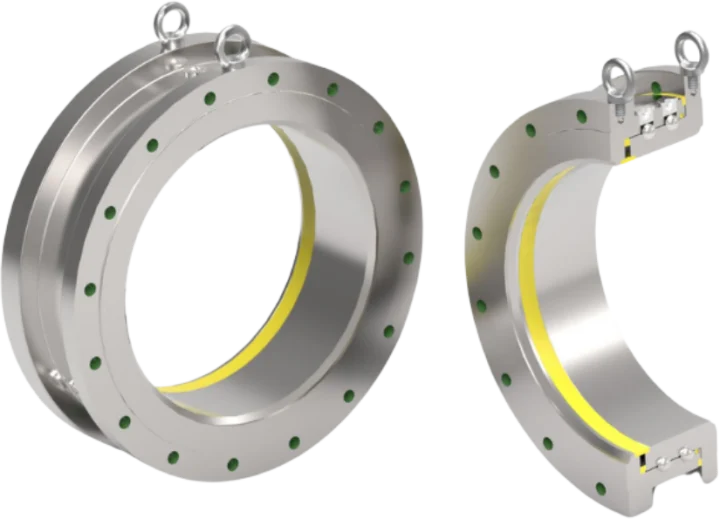
Swivel joints provide controlled movement during transfer operations and help reduce mechanical stress on the system. Couplings ensure secure and reliable connections between transfer points. Breakaway Couplings provide critical protection in emergency situations by preventing damage and product release.
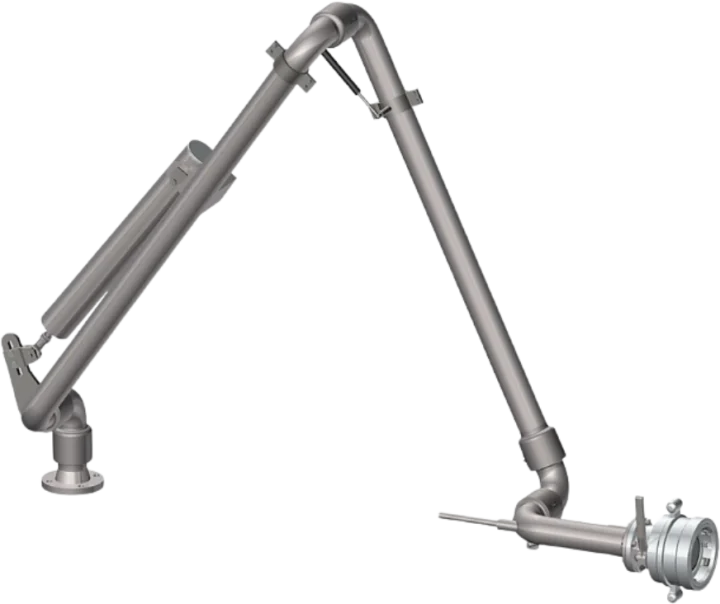
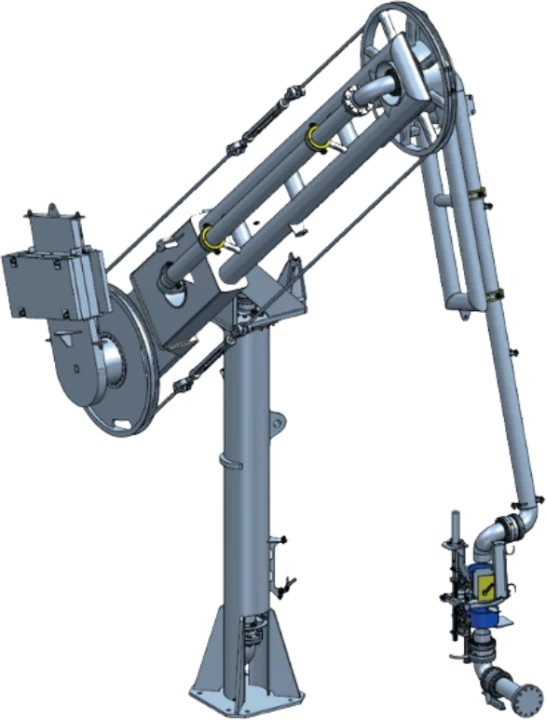
For larger scale applications, land loading and unloading arms and marine loading arms provide a more controlled and robust alternative to flexible hose systems.
Each system can be engineered for specific fuels including hydrogen, ammonia, LNG, methanol, biodiesel and rDME, ensuring safe, reliable and efficient transfer operations.
Final Thoughts
Renewable energy sites are evolving rapidly and the range of fuels being handled will continue to expand.
While energy production continues to grow, the infrastructure behind it must keep pace. Safe and efficient fuel transfer is becoming just as important as generation and storage.
As more facilities are developed or upgraded for alternative fuels, demand for engineered transfer systems will continue to rise. The most effective sites will be those where infrastructure has evolved alongside the fuels being handled.
