







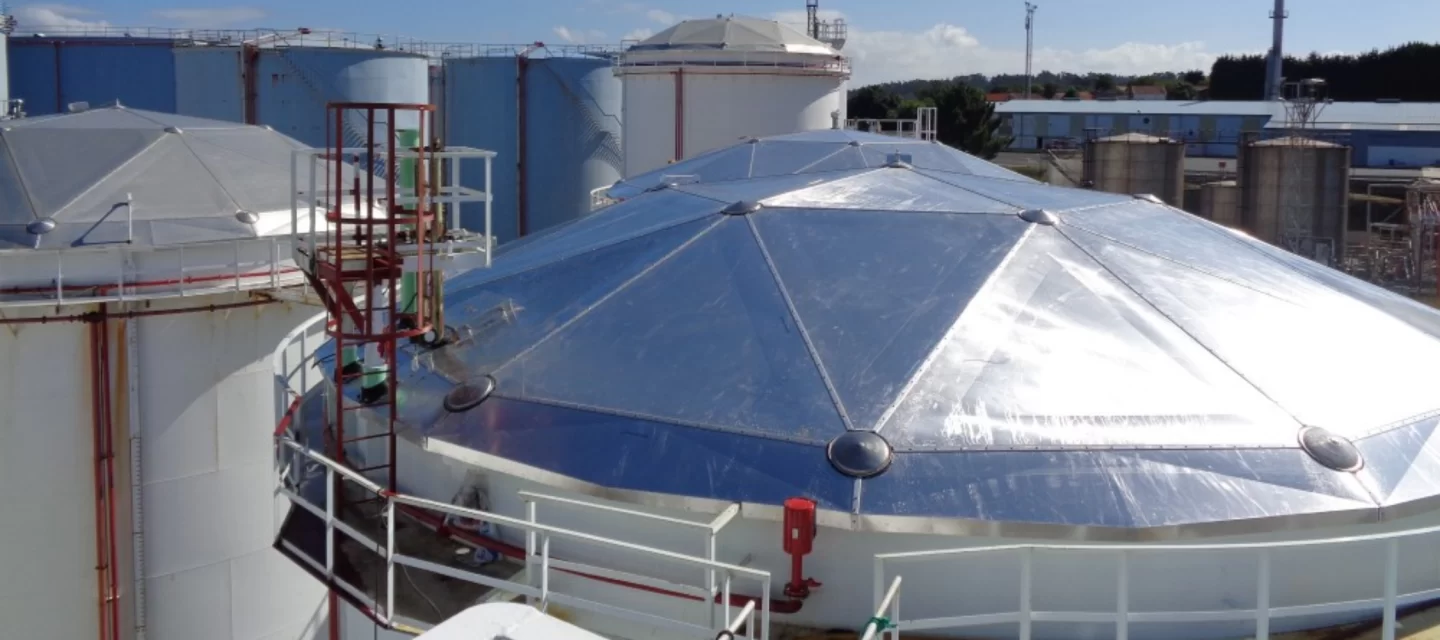
Open top storage tanks are still a common sight across many industries, from water and wastewater treatment to chemical processing and bulk liquid storage. In many cases, they have simply always been there, part of the original site design, performing their role without much reason to question them.
However, leaving tanks exposed brings a number of challenges that often go unnoticed day to day. Rainwater, debris, temperature changes, and airborne contaminants can all make their way into the tank, gradually affecting product quality, process efficiency, and overall site performance. It may not be obvious at first, but over time these external factors can have a significant impact.
What’s Actually Getting Into Your Storage Tanks?
Open top storage tanks, such as those found at refineries, chemical plants, and industrial sites, might look secure, but exposure comes with risks. Rainwater can dilute fuels or chemicals, affecting product quality and downstream processes. Dust, debris, and airborne particles can settle in, creating contamination risks or placing extra strain on filtration and treatment systems.
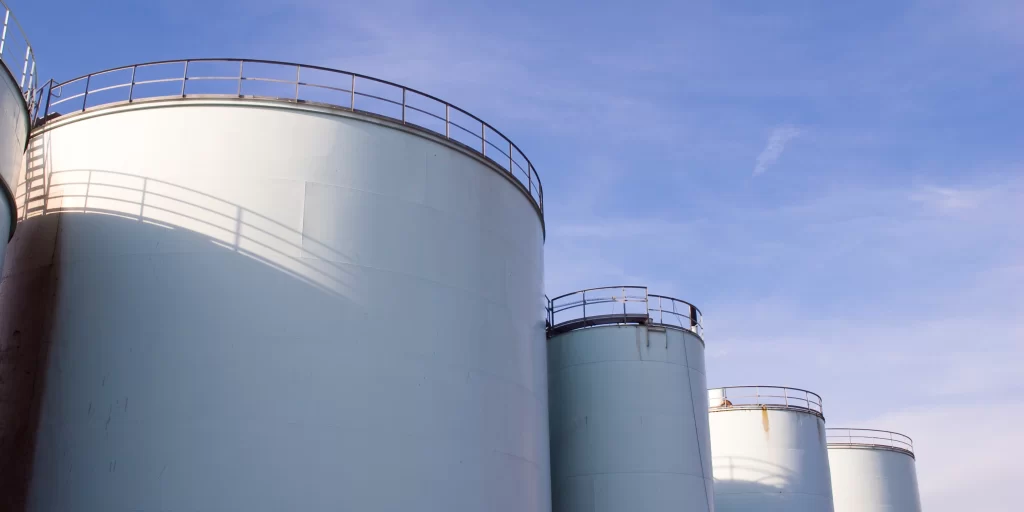
It is not just solids that pose a problem. Wind can increase evaporation and odours, while sunlight and fluctuating temperatures can affect sensitive liquids, from chemicals to bio-solids in wastewater tanks. Even wastewater facilities face similar issues: rain, debris, and organic matter entering clarifiers or sludge tanks can reduce efficiency and increase maintenance. Over time, these factors combine to create operational, environmental, and regulatory challenges.
Why It Matters
The risks of leaving storage tanks exposed are not just theoretical; they have real consequences for operations, safety, and compliance. Even small amounts of contamination or evaporation can affect product quality, increase maintenance needs, and create inefficiencies that add up over time.
Some key issues include:
- Product contamination: Dust, debris, and rain can compromise the stored liquid.
- Increased odours: Evaporation from open tanks can create environmental and workplace concerns.
- Operational inefficiency: Dilution or contamination can slow processes or require additional treatment.
- Regulatory risk: Uncontrolled emissions or overflow can breach environmental compliance.
For industrial sites such as refineries and chemical plants, these issues can translate into real operational costs, safety concerns, and potential downtime. Wastewater treatment facilities also feel the impact, with reduced efficiency and extra cleaning or processing required.
The Modern Solution: Geodesic Tank Domes
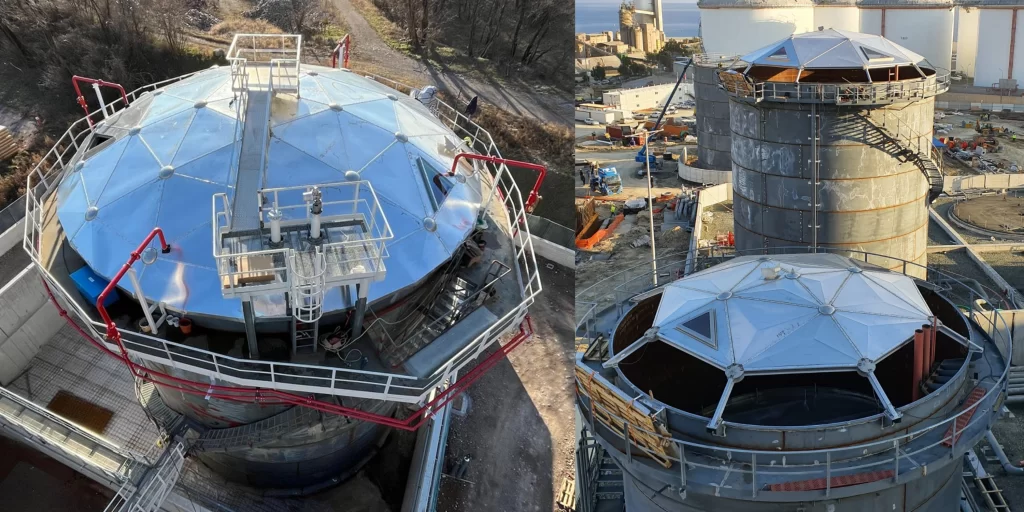
Geodesic Tank Domes provide an effective barrier for storage tanks, protecting them from rain, dust, debris, and other environmental factors. Their unique geometric design distributes weight evenly, making them strong enough to withstand heavy rain, wind, or even snow, while remaining relatively lightweight and easy to install.
For refineries, chemical plants, and wastewater facilities, geodesic domes help maintain product quality, reduce odours, and minimise evaporation. They are particularly useful for large-diameter tanks where traditional covers can be heavy, costly, or difficult to retrofit. By shielding tanks from the elements, these domes reduce maintenance, improve safety, and help operations run more efficiently day after day.
Key Benefits at a Glance
The risks of leaving storage tanks exposed are not just theoretical; they have real consequences for operations, safety, and compliance. Even small amounts of contamination or evaporation can affect product quality, increase maintenance needs, and create inefficiencies that add up over time.
Some key issues include:
- Product contamination: Dust, debris, and rain can compromise the stored liquid.
- Increased odours: Evaporation from open tanks can create environmental and workplace concerns.
- Operational inefficiency: Dilution or contamination can slow processes or require additional treatment.
- Regulatory risk: Uncontrolled emissions or overflow can breach environmental compliance.
For industrial sites such as refineries and chemical plants, these issues can translate into real operational costs, safety concerns, and potential downtime. Wastewater treatment facilities also feel the impact, with reduced efficiency and extra cleaning or processing required.
Final Thoughts
Open top storage tanks may seem low-maintenance, but exposure to rain, debris, odours, and temperature fluctuations can quietly affect efficiency, safety, and product quality. For refineries, chemical plants, and wastewater facilities, protecting tanks is not just a “nice-to-have”, it is a practical way to safeguard operations and reduce ongoing challenges.
Geodesic tank domes offer a modern, durable solution. By keeping tanks covered and protected, they help maintain product integrity, reduce maintenance, and improve safety, while withstanding the challenges of the elements. For any operation looking for a straightforward way to protect storage tanks and improve efficiency, a geodesic dome is a solution worth considering.
