







As the energy sector continues to evolve, storage infrastructure must adapt alongside it. The growing use of biofuels, sustainable aviation fuel (SAF), renewable feedstocks, and blended products is changing the demands placed on storage tanks and vapour control systems.
These newer fuels bring different handling characteristics, compatibility considerations, and stricter expectations around emissions and product loss.
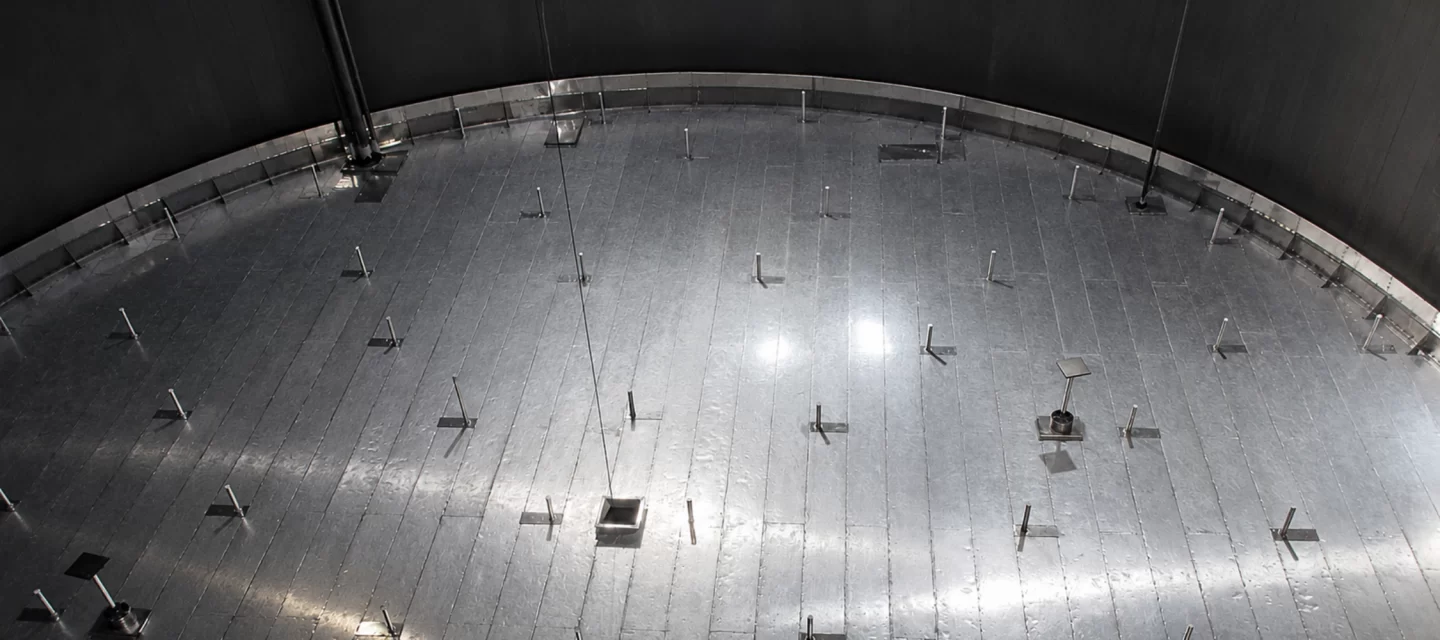
Internal Floating Roofs (IFRs) have long reduced vapour emissions and evaporation losses in hydrocarbon storage. Today, operators rely on them more than ever. IFRs help reduce emissions, conserve product, and upgrade existing tank infrastructure to meet modern operational and environmental demands.
Why Storage Infrastructure Is Changing
Across the industry, storage requirements are no longer driven solely by traditional refined fuels. The growth of biofuels, SAF, and blended products is introducing a wider range of liquid characteristics that existing tank infrastructure was not originally designed for.
At the same time, operators are under increasing pressure to improve emissions performance, reduce product losses, and make better use of existing assets rather than investing in entirely new storage capacity.
As a result, many terminals and tank farms are now repurposing or upgrading existing tanks to handle new fuel types. This shift is placing greater importance on flexible, adaptable storage solutions that can perform across a more diverse range of products and operating conditions.
New Fuels Bring New Storage Challenges
New fuels such as biofuels, SAF, and blended products don’t always behave in the same way as traditional hydrocarbons. Differences in volatility, temperature sensitivity, and chemical composition can all influence how these products perform during storage.
In many cases, this creates new challenges around vapour control, product stability, and contamination risk. As a result, operators are increasingly having to reassess whether existing storage systems are still suitable for the range of fuels they are now expected to handle.
Why Internal Floating Roof Design Matters More Than Ever
As fuel types diversify, Internal Floating Roofs face higher performance demands. The focus now goes beyond reducing vapour space. Operators need consistent emissions control and reliable product protection across changing operating conditions.
Design choices matter more than ever. Full contact versus pontoon style roofs, seal selection, and material compatibility all influence performance. A well engineered IFR reduces evaporation losses, improves vapour suppression, and helps maintain product quality, especially in volatile or sensitive fuels.
Retrofitting Existing Tanks for the Future
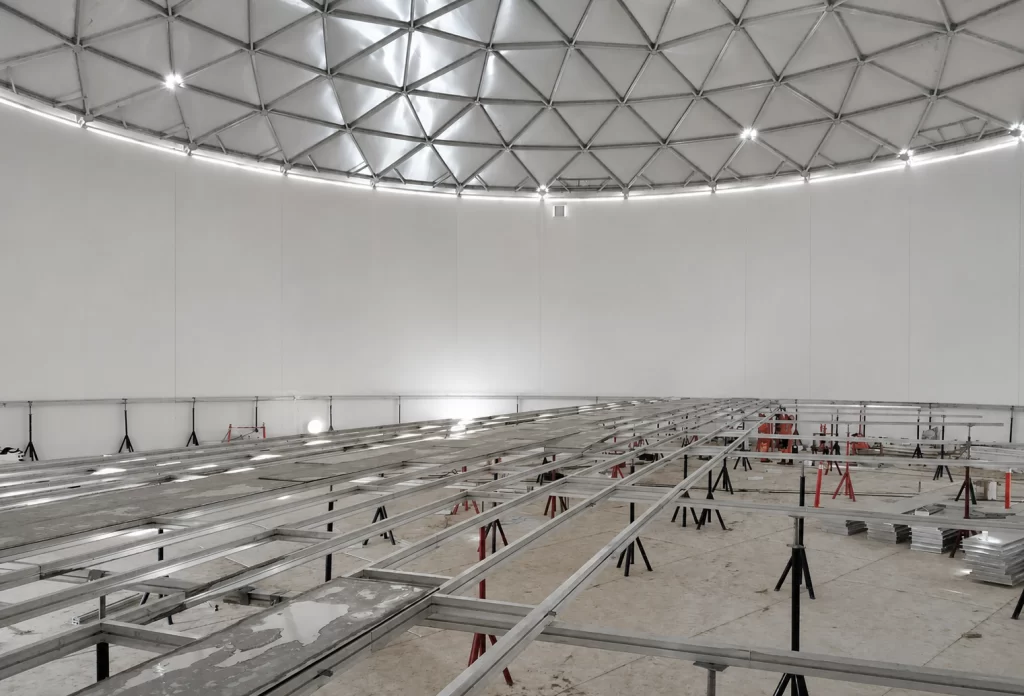
For many operators, the most practical route is not replacing existing tanks, but upgrading them. Retrofitting Internal Floating Roof systems allows older infrastructure to meet modern performance expectations without the cost and disruption of full tank replacement.
These retrofit projects often require a tailored engineering approach to account for existing tank geometry, access constraints, and the specific properties of the stored product. When designed correctly, they can extend the usable life of assets while improving emissions performance, reducing product losses, and bringing facilities closer in line with current environmental expectations.
Final Thoughts
As the range of stored fuels continues to evolve, so too does the role of storage infrastructure. Internal Floating Roofs are no longer just a standard emissions control feature, they are becoming a key part of how operators adapt existing assets for new products and tighter environmental expectations.
Whether through new installations or retrofit projects, the focus is increasingly on flexibility, efficiency, and long-term performance. As fuel types continue to diversify, well-designed IFR systems will remain central to ensuring storage facilities can keep pace with the changes ahead.
