








In fluid transfer operations, most risks are visible. High pressures, hazardous media, and moving vehicles are all well understood and planned for. Operators and managers put procedures in place to manage these risks, but even the best plans can’t always prevent the unexpected.
The incidents that cause the most damage are often the ones no one sees coming. A tanker moves away too soon, or a connection is still live, and a routine operation suddenly becomes a costly failure. These split second events reveal gaps in traditional safety measures and explain why more operations are rethinking how they protect their systems.
When a Routine Operation Turns Risky
Imagine a busy loading bay on a typical day. A tanker is being filled, operators follow standard procedures, and everything seems routine. Then, in the blink of an eye, the driver begins to move while the hose is still connected. Hoses are ripped, product spills, and equipment can be damaged within seconds.
The immediate consequences are obvious: lost product, environmental contamination, and costly downtime. The ripple effects delays, regulatory scrutiny, and reputational damage can last long after the incident. Even the most careful operations are vulnerable to split second mistakes, and traditional safety measures alone may not be enough to prevent them.
How Breakaway Couplings Protect Your Operations
This is where breakaway couplings make a difference. Designed to act automatically when a hose or connection experiences sudden force, they separate cleanly at a predetermined point, instantly sealing both ends. Even if a tanker moves too soon or human error occurs, the risk of spills, equipment damage, and downtime is dramatically reduced.
Breakaway couplings don’t rely on someone noticing a problem or reacting in time they act in a fraction of a second, providing a fail safe layer of protection. By preventing product loss and containing potential hazards, they help maintain operational uptime, protect your team, and ensure compliance with environmental regulations.
The Real Value Beyond Safety
While the main purpose of breakaway couplings is safety, their benefits extend further. A single incident can shut down a loading operation for hours or days while equipment is inspected, repaired, and cleaned. Breakaways minimise this disruption, keeping operations running smoothly.
There are also financial and reputational advantages. Preventing product loss and environmental contamination reduces the risk of costly fines, insurance claims, and regulatory scrutiny. When evaluating total cost of ownership, installing a breakaway coupling is often far more cost effective than dealing with the consequences of a preventable incident.
Choosing the Right Breakaway for Your Operation
Not all Breakaway Couplings are the same. Selecting the right one is critical for both safety and efficiency.
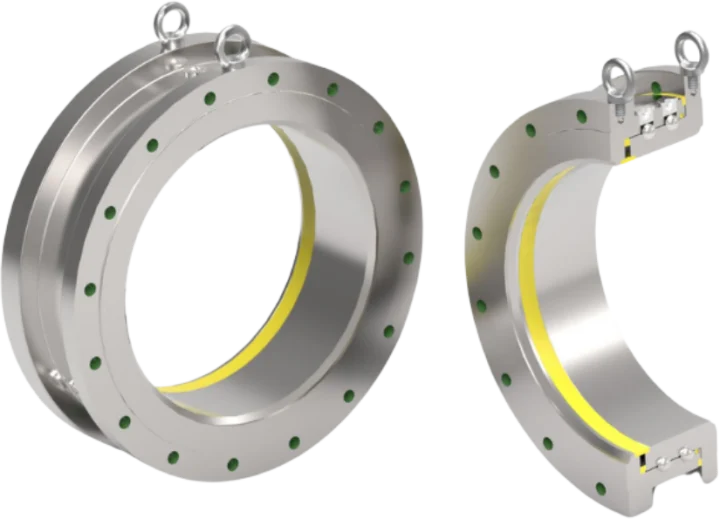
For industrial installations, the Industrial Breakaway Coupling provides reliable protection, separating safely under excessive force while sealing both ends. Available in sizes from 1″ to 12″ and in aluminium, brass, or stainless steel, it handles a wide variety of fluids and operating conditions.
For specialised environments, the Marine Breakaway Coupling is designed for ship to shore operations, offering robust protection against vessel movement and dynamic forces. The Cryogenic Breakaway Coupling ensures safety under extreme low temperatures, such as LNG transfer. Each model is available with breaking pin or cable release configurations, giving flexibility to match operational requirements.
Final thoughts
Breakaway couplings aren’t just safety components, they’re a proactive decision that protects people, equipment, and operations. By preventing spills, minimising downtime, and reducing regulatory risk, they deliver value far beyond traditional safety measures.
When considering your fluid transfer operations, the question isn’t just “Do we need a breakaway coupling?” It’s “What happens if we don’t have one?” Choosing the right solution, such as a MannTek Industrial, Marine, or Cryogenic Breakaway Coupling, ensures your system is protected, even in the event of a split second mistake.
