








Marine Loading Arms are a critical yet often overlooked component of maritime infrastructure. These articulated mechanical systems serve as the vital link between ship and shore, enabling the safe and efficient transfer of liquids and gases such as crude oil, refined products, chemicals, and liquefied gases. Over the decades, they have undergone significant transformation, driven by safety demands, technological progress and, the ever-evolving requirements of global trade.
From Hoses to Hard Arms: A Safer Alternative
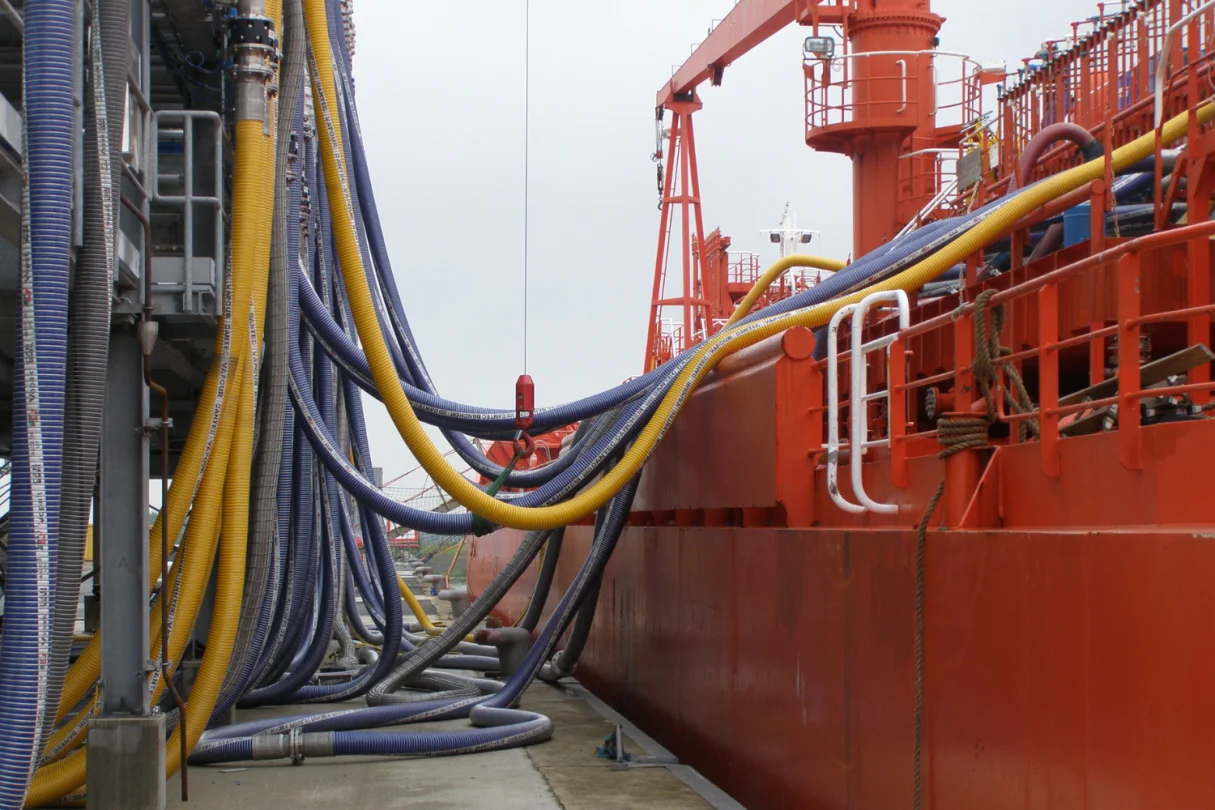
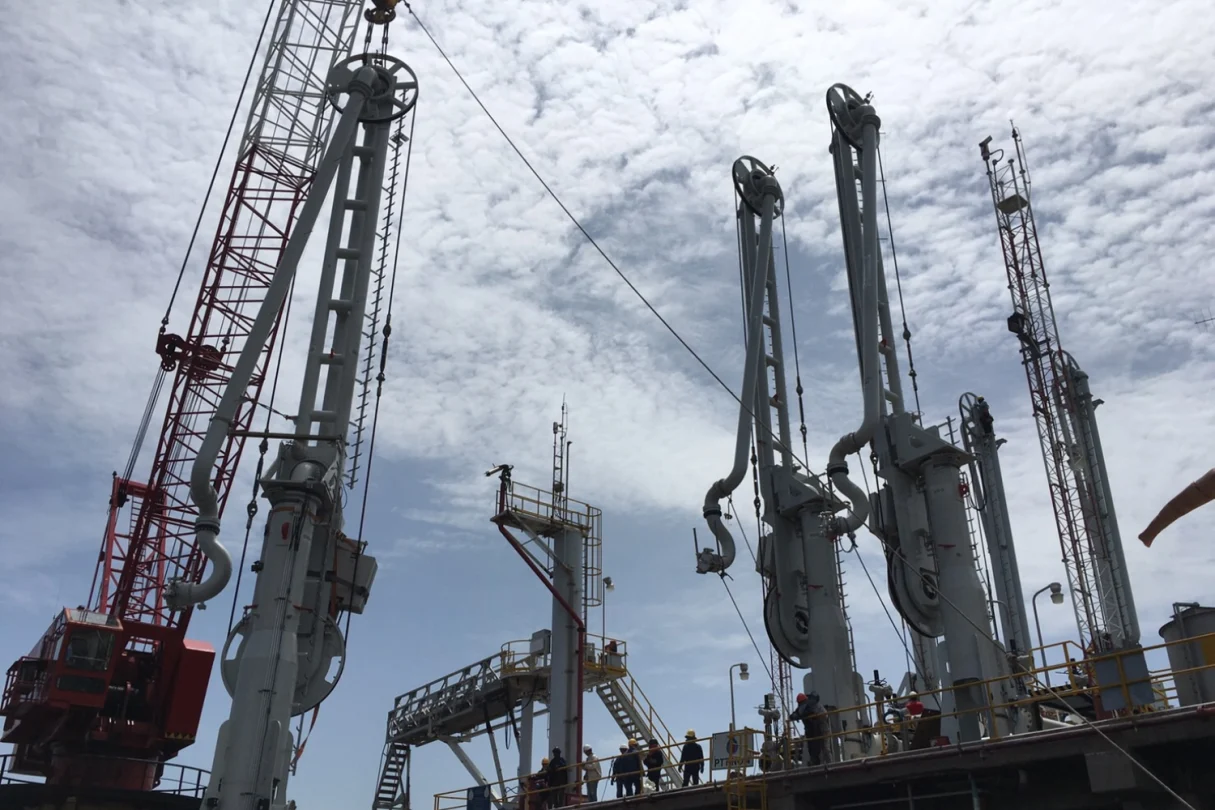
In the early days of marine cargo handling, flexible hoses were the primary method used to transfer fluids. While relatively simple and inexpensive, hoses posed a number of risks, particularly when dealing with volatile or hazardous substances. Prone to wear and vulnerable to ship movement, they often resulted in spills, environmental damage, and safety hazards for port workers. The failings of hoses led engineers to develop a more robust and reliable solution. The Marine Loading Arm was introduced as a safer and more controlled alternative. Designed with swivels and articulating joints, these rigid arms provided greater stability during cargo transfer, particularly in dynamic marine environments where tidal movement and ship drift were constant challenges.
Engineering Advancements and Growing Adoption
The first Marine Loading Arm appeared in the mid-20th century, with initial design focusing on mechanical reliability and structural strength. Although operated manually at first, they quickly demonstrated clear advantages over traditional hoses, prompting their adoption at Oil Terminals, Chemical Plants, and Refineries around the world. During the 1970s and 1980s, the design and manufacture of Loading Arms became more sophisticated, incorporating enhanced Swivel Joints, improved sealing technology, and stronger materials capable of withstanding high pressures. It was also during this period that emergency release systems became standard, allowing the arm to disengage safely in the vent of ship drift or seismic activity. At the same time, greater emphasis was placed on safety protocols and industry standards. Loading Arms were no longer viewed simply as mechanical tools, but as integral components of the broader safety and control system.
The Digital Revolution
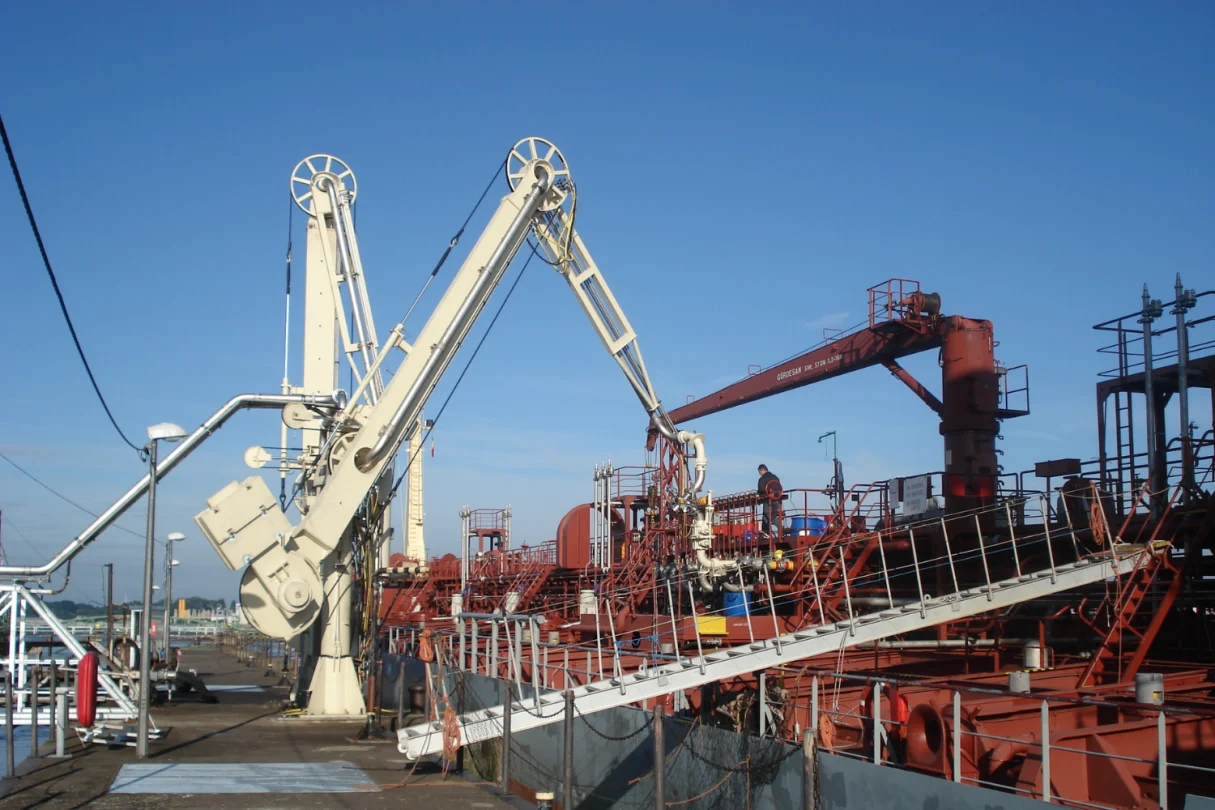
With the arrival of digital technology in the 1990s and early 2000s, Marine Loading Arms entered a new phase of their evolution. Remote operation became increasingly common, with hydraulic systems replacing many manual controls. Programmable logic controllers allowed operators to manage sequences and monitor arm positions with greater precision, reducing human error and improving operational efficiency. These innovations also made it possible to handle a broader range of cargo types, from cryogenic LNG to corrosive chemicals, with system tailored to the specific requirements of each substances. The integration of real-time data and monitoring tools allowed for early detection of issues, further enhancing safety and reliability.
Towards a Smarter, Greener Future
In recent years, Marine Loading Arms have become part of the larger movement towards small port operations and environmental sustainability. Today’s arms feature sensors that deliver predictive maintenance alerts, helping terminals identify and address potential faults before they become critical. Looking to the future, the focus is shifting towards even greater automation, improved connectivity, and support of alternative fuels as part of the global energy transition. There is growing interest in AI-assisted monitoring, autonomous docking systems, and advanced data analytics that can further reduce downtime and environmental impact.
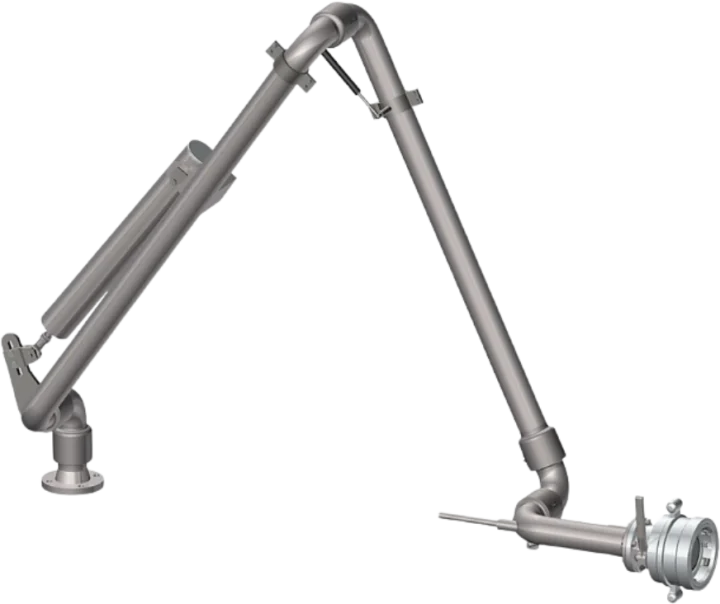
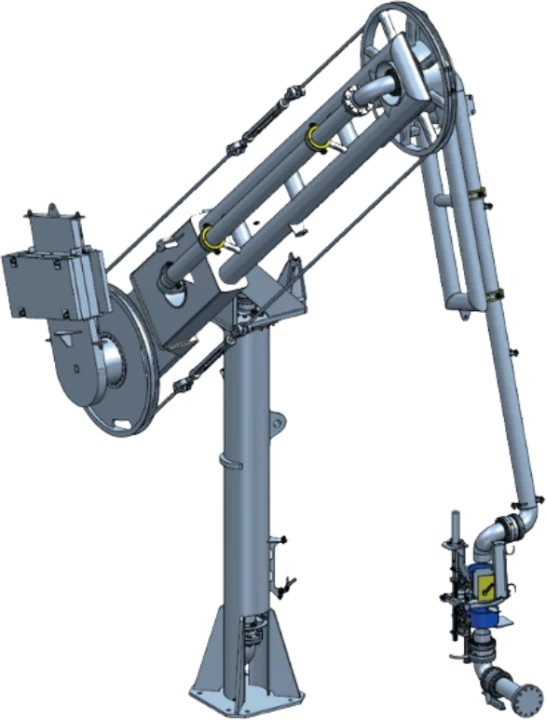
Marine Loading Arms have a come a long way, from basic mechanical alternative to hoses to advanced, digitally integrated systems essential to moder port operations. Today, we provide three main types of Marine Loading Arms, each tailored to meet different operational needs and cargo types. Alongside these, we offer a full range of services, maintenance support, and accessories to ensure safe, efficient, and long-lasting performance. As ports evolve, so too will Loading Arms.
Contact information:
Tel : +44 (0) 1763 248650
Email : sales@ewfm.co.uk
To keep up to date with news on how we are supporting our customers, our latest blogs and new services available, keep checking in on our website throughout the year and follow us on social media including LinkedIn, Facebook, X, Instagram, YouTube & Tik Tok.
