








ATEX is a familiar term to those working in high-risk industrial environments, yet its full significance often goes under appreciated outside these sectors. As safety expectation and regulatory demands continue to evolve, ATEX remains a key factor in ensuring responsible, complaint operations, especially where potentially hazardous conditions exist. For companies like us, we have to have products that can be designed for use in demanding and sensitive environments, understanding and adhering to ATEX is not just important, it’s essential. In this blog, we’ll take a closer look at what ATEX standards are and why they play such a vital role in industrial safety. We’ll also explore why these standards are particularly important to EWFM, and how our commitment to compliance supports not only safer operations but also greater peace of mind for our customers around the world.
What are ATEX Standards and why are they essential:
ATEX, short for ATmosphères EXplosibles, which, as you might have guessed, translates to “explosive atmosphere”, refers to a set of EU directives designed to ensure the safe use of equipment and protective systems in potentially explosive environments. These standards are essential in industries where flammable gases, vapours, or dusts could pose serious risks, providing a legal and practical framework to prevent accidents and protect lives. There are two main directives under the ATEX umbrella. The first is Directive 99/92/EC, commonly known as ATEX 137 or the ATEX Workplace Directive. It outlines the minimum requirements for improving the health and safety of workers who may be exposed to explosive atmospheres. The second is Directive 2014/34/EU, referred to as ATEX 114 or the ATEX Equipment Directive. This directive governs the design, manufacture, and use of equipment and protective systems intended for operation in explosive environments. Together, these directives form the foundation of explosion protection across Europe, making compliance not just a regulatory necessity but a critical component of responsible industrial practice.
[vc_empty_space height=”70px”]
Why this standard is important to EWFM:
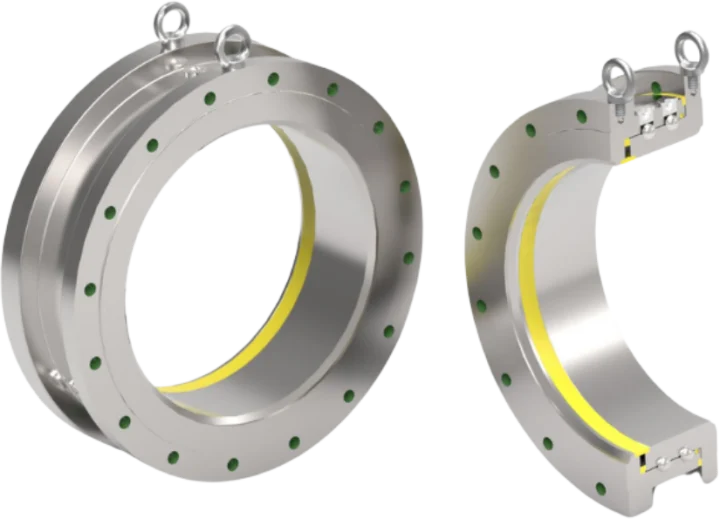
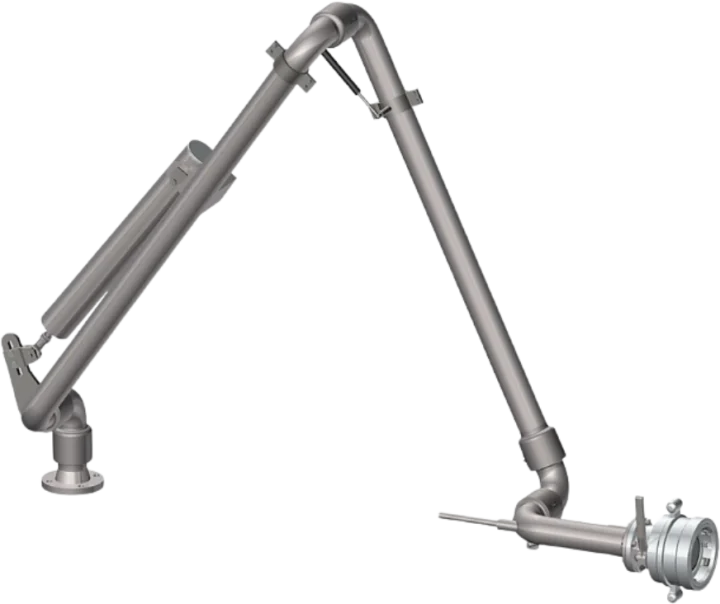
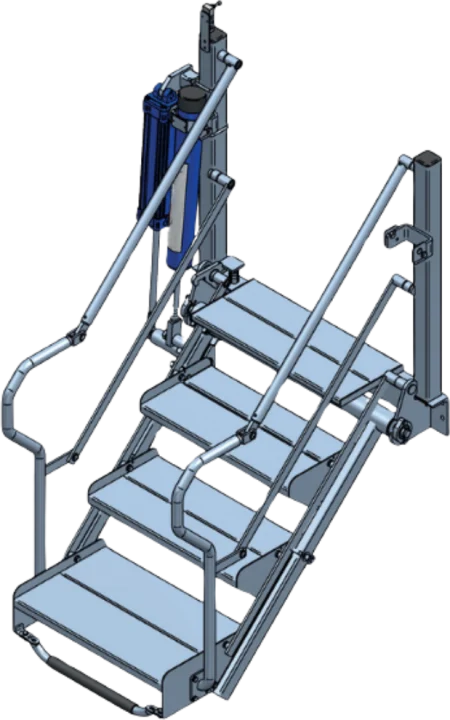
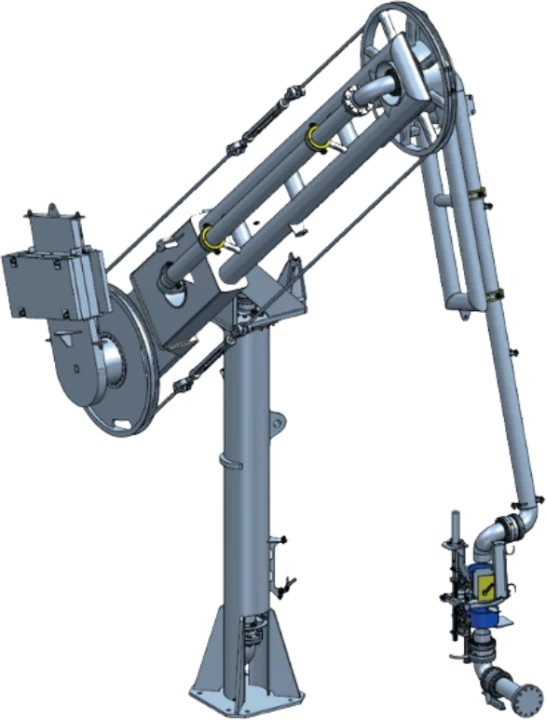
At EWFM, ATEX standards are not just a regulatory requirement, they’re vital part of how we design and deliver safe, reliable equipment. Many of our products are built to meet ATEX compliance, ensuring they can operate safely in hazardous environments where explosive atmospheres are a constant risk. This is particularly important for industries we serve, such as Oil and Gas, Chemical Processing, Petrochemicals, Aviation and many more. All of these face high risks due to he presence of flammable gases, vapours, or dusts. Our Loading Arms for example, are fully grounded from top to bottom or prevent static build-up and discharge, helping to eliminate a common ignition source. By embedding ATEX standings in our products, we support our customers in achieving both compliance and peace of mind in even the most demanding operation environments.

If you work in ATEX-regulated environments, it’s worth reviewing your current processes and equipment. EWFM offers a range of ATEX-rated products designed to enhance safety in hazardous areas. Get in touch with us today to see how we can support you in making your workplace safer and fully compliant.
Contact information:
Tel : +44 (0) 1763 248650
Email : sales@ewfm.co.uk
To keep up to date with news on how we are supporting our customers, our latest blogs and new services available, keep checking in on our website throughout the year and follow us on social media including LinkedIn, Facebook, X, Instagram, YouTube & Tik Tok.
