







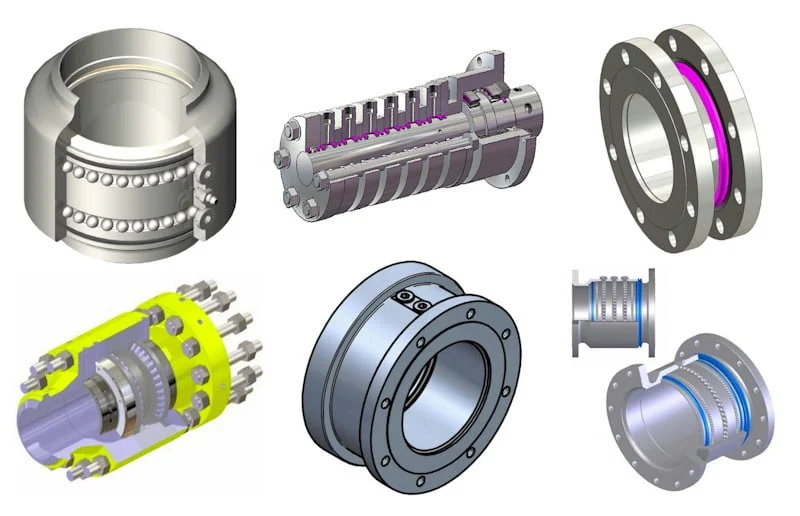
Swivel Joints play an important role in fluid transfer systems, allowing hoses to rotate and articulated pipework to move without excessive stress. However, with so many options available, how do you choose the right Swivel Joint for your application?
From loading and unloading operations to specialist subsea installations, different applications require different specifications. Understanding the operating conditions is the first step towards selecting a suitable solution.
At EWFM, we offer a wide range of Swivel Joints to suit different industries, media and operating requirements.
Where Are Swivel Joints Used?
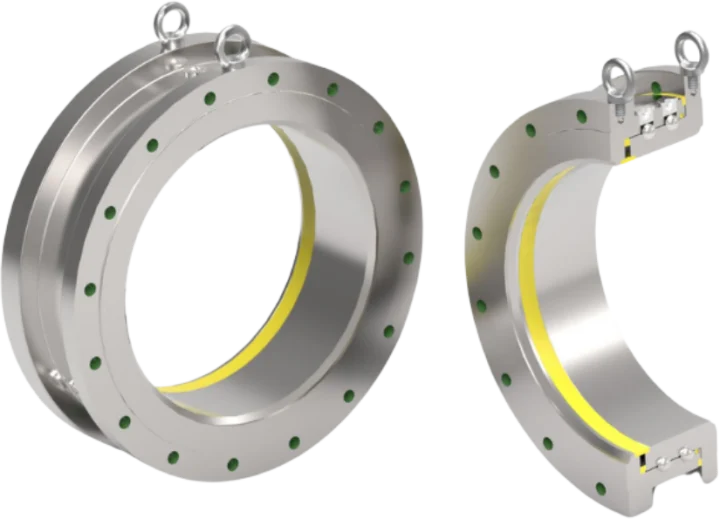
Swivel Joints allow controlled rotational movement within piping and hose systems. They help reduce twisting, stress and premature wear on connected equipment.
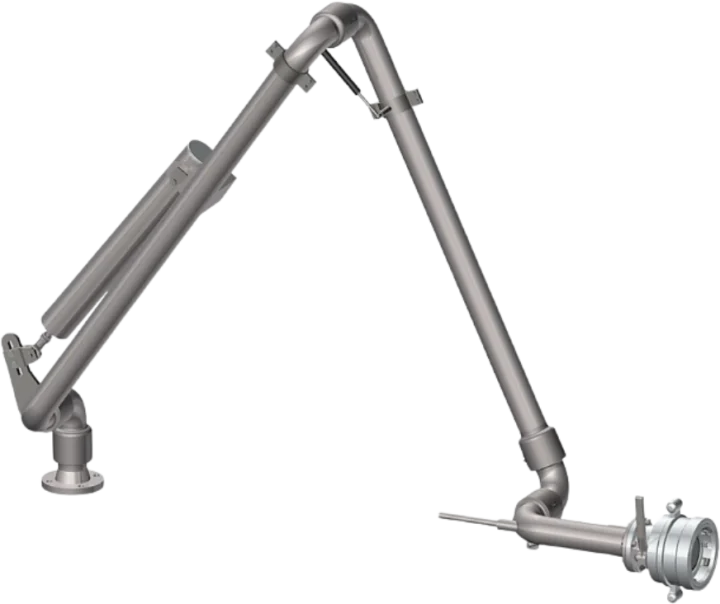
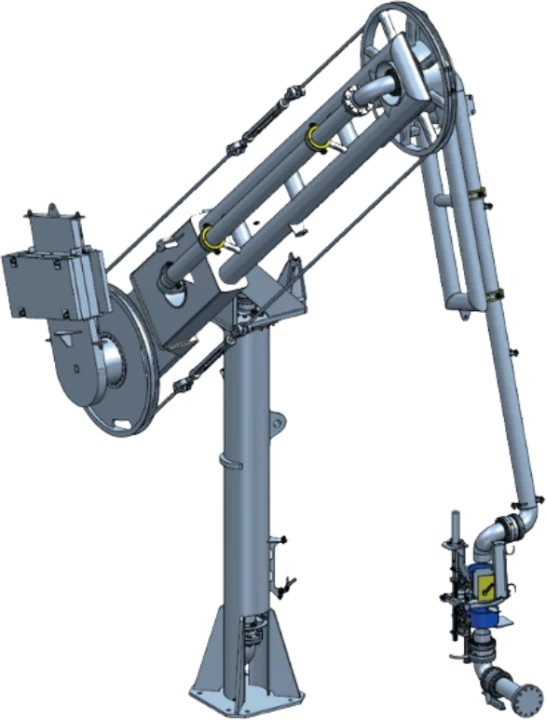
Common applications include Loading and Unloading Arms, Hose Reels, articulated pipework, process machinery and water treatment systems.
They also serve a variety of industries, including oil and gas, chemical processing, petrochemical, mining, refining, food and beverage, brewing and distilling.
The media passing through a Swivel Joint can vary considerably. Applications range from water and chemicals to more viscous products such as bitumen, chocolate and cooking oil.
This variety makes selecting the correct Swivel Joint particularly important.
What Should You Consider When Choosing a Swivel Joint?
Several factors influence Swivel Joint selection. Understanding these requirements helps ensure the joint suits the application and operating conditions.
1. Media Being Transferred
The first consideration is the type of media passing through the Swivel Joint.
Different substances require different materials and sealing arrangements. For example, aggressive chemicals may require corrosion-resistant materials, while food and beverage applications may need hygienic construction.
Viscous products such as bitumen or chocolate may also require temperature control to maintain their flow characteristics.
Identifying the media early helps narrow down the available options.
2. Operating Pressure and Temperature
Pressure and temperature are important when selecting a Swivel Joint.
Some applications operate at relatively low pressures, while specialist systems require joints capable of handling extremely high pressures.
Temperature also influences material and seal selection. High-temperature applications may require jacketed Swivel Joints, while cryogenic systems need designs suitable for extremely low temperatures.
Understanding the minimum and maximum operating conditions helps determine the appropriate specification.
3. Swivel Joint Size
The required bore size will depend on the pipework, flow rate and overall system design.
Our Swivel Joint range covers small-bore applications through to Large Bore Swivel Joints reaching 72″.
However, size alone does not determine the correct Swivel Joint. Operating pressure, loading requirements and available installation space must also be considered.
4. Material Selection
Material compatibility plays an important role in Swivel Joint performance and service life.
Common options include Aluminium, Carbon Steel and Stainless Steel. Specialist materials such as Duplex, Super Duplex and Hastelloy can also suit more demanding environments.
The correct material will depend on the media, temperature, pressure and external operating conditions.
For applications involving aggressive substances, additional protection such as PTFE lining may also be suitable.
5. End Connections and Installation Requirements
Swivel Joints can incorporate a variety of end connections to suit existing pipework and equipment.
Common options include flanged, threaded and weld end connections. Specialist connections may also be available depending on the application.
The installation layout is equally important. Some systems require compact designs, while others need multiple Swivel Joints to provide articulated movement.
Which Swivel Joint Is Right for Your Application?
Once you understand the operating requirements, you can begin identifying the most suitable design.
EWFM offers several options for different applications:
- 2175 Series Swivel Joints: A versatile option for fluid transfer systems, with various materials, seals and configurations available.
- Engineered Swivel Joints: Suitable for demanding operating conditions involving specialist materials, high loads or extreme temperatures.
- Compact Swivel Joints: Designed for applications where installation space is limited.
- Multiport Rotary Unions: Allow multiple media or services to pass through a common rotating assembly.
- Subsea Swivel Joints: Developed for demanding underwater applications, including subsea installation and pipe-laying operations.
Each design offers different characteristics. Selecting the right one depends on the complete operating requirements rather than one specification alone.
Need Help Selecting a Swivel Joint?
Choosing the correct Swivel Joint involves more than simply matching the bore size to existing pipework.
Media compatibility, pressure, temperature, material selection and installation requirements all influence the final design.
At EWFM, we work with customers to understand these requirements and identify suitable solutions.
Explore our full Swivel Joint range or get in touch with our team to discuss your application.
Whether you need a straightforward replacement or a specialist solution, we can help you find a Swivel Joint suited to your requirements.
