
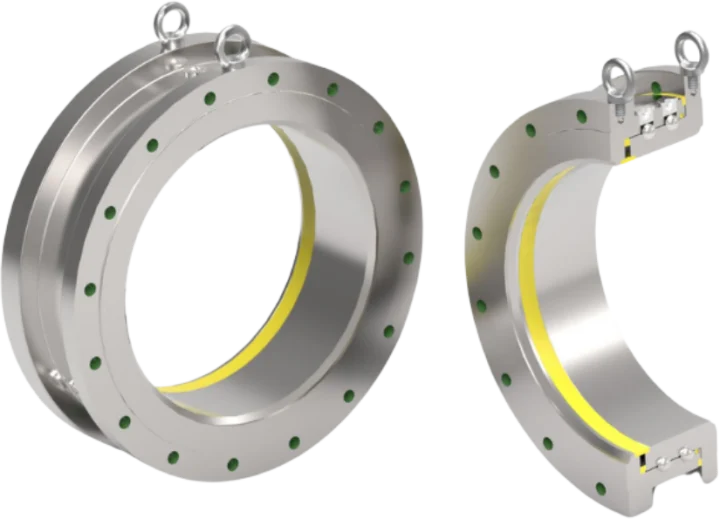








Storage Tank Seals are a vital but often overlooked component of bulk storage systems. While they may not attract the same attention as tanks or pipework, they play a key role in preventing leaks, limiting vapour loss, and supporting safe site operations.
Over time, seals are exposed to constant movement, weather conditions, and contact with stored products. Without regular checks, gradual wear can go unnoticed. Understanding when inspection or replacement is required helps operators reduce risk, protect the environment, and maintain compliance.
Why Regular Inspection of Tank Seals Is Important
Even high-quality tank seals experience wear throughout their service life. Changes in temperature, repeated roof movement, and environmental exposure all place stress on sealing materials.
Regular inspection helps operators:
- Identify early signs of deterioration
- Reduce product loss and vapour emissions
- Prevent small issues from escalating into costly failures
Routine checks form an important part of responsible tank maintenance and long-term asset protection.
Common Signs a Tank Seal May Need Attention
In many cases, seals provide visible or noticeable signs when performance begins to decline. These indicators should not be ignored, as they often signal a need for closer inspection.
Common warning signs include visible cracking or deformation of seal materials, staining or residue around the tank perimeter, and the presence of unusual odours that may indicate vapour escape. Reduce sealing effectiveness during changes in tank level can also suggest that a seal is no longer performing as intended.
How Often Should Storage Tank Seals Be Inspected?
There is no single inspection interval that suits every application. Factors such as tank design, operating conditions, and the type of product stored all influence how frequently seals should be checked.
As a general guide, inspections are often carried out during routine maintenance activities, with more detailed assessments planned during shutdowns. Additional checks may also be required following extreme weather events or significant operational changes.
When Is Replacement the Best Option?
While some seal issues can be addressed through adjustment or minor repair, replacement is sometimes the most effective and reliable solution. This is particularly true when seals have reached the end of their service life or no longer meet operational requirements.
Replacement may be recommended when:
- Seal materials show advanced ageing or degradation
- Ongoing adjustments fail to restore effective sealing
- Leakage or emission levels exceed acceptable limits
Replacing seals at the right time helps restore performance and reduce the risk of unplanned downtime.

Conclusion
When it’s time to replace a seal, having the right options matters. EWFM offers a range of Storage Tank Seals designed to meet different tank types and operational requirements. With these options, you can choose seals that provide reliable performance, longer service life, and compliance with industry standards. Our team can advise on the best seal for your specific tank setup.
Storage tank seals may be small components, but they have a big impact on safety, efficiency, and compliance. Regular inspection and timely replacement help protect assets, reduce environmental risks, and ensure smooth operations.
By planning maintenance practically and selecting the right seals from EWFM’s range, operators can maintain reliable, efficient, and safe tank storage systems for the long term.
