







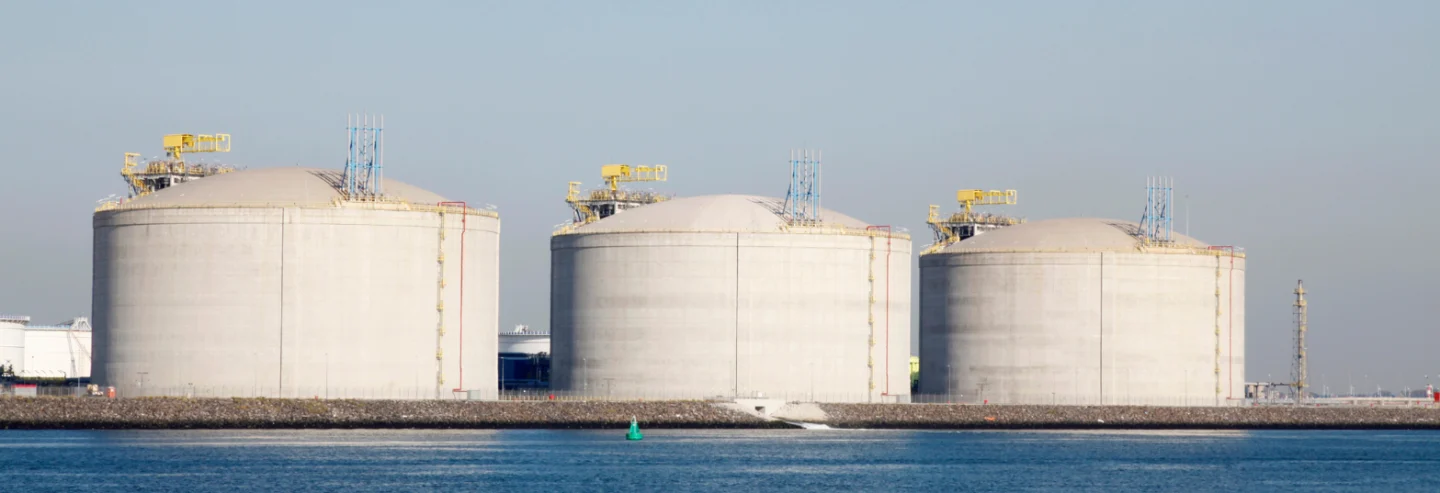
When it comes to fuel or chemical storage, drawing clean product from your tank isn’t just good practice, it’s essential for maintaining product quality, protecting equipment, and ensuring regulatory compliance. That’s where Floating Suction Units (FSUs) come in. Designed to extract liquid from just below the surface, FSUs help avoid contaminants that often settle at the bottom of tanks, like water, sludge, or rust particles.
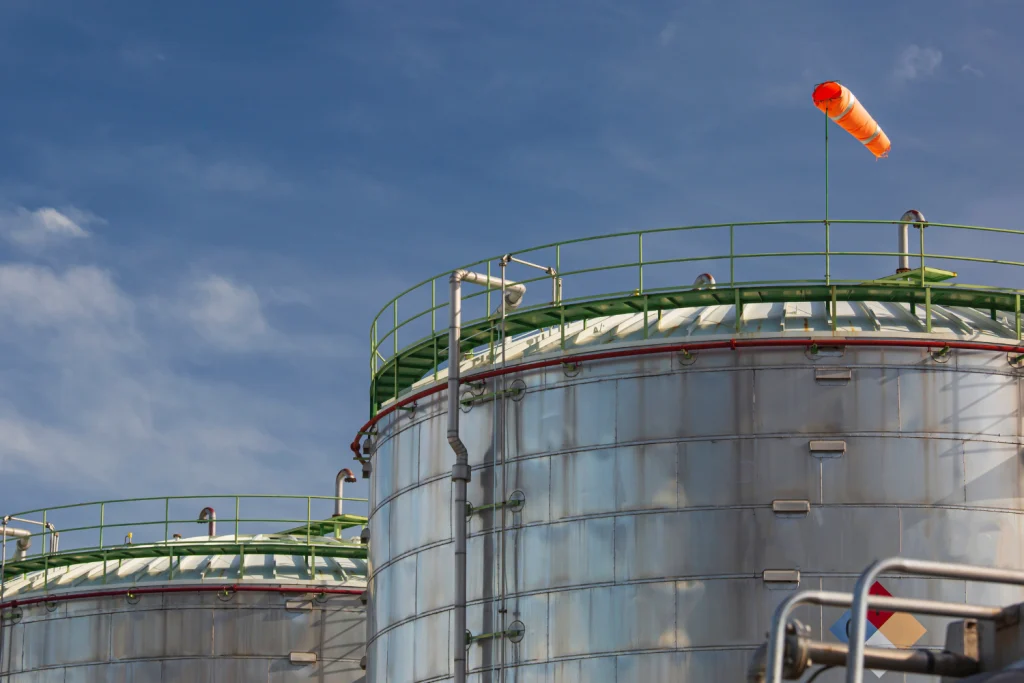
But not all Floating Suction Units are created equal. From tank dimensions to fluid type, a range of factors can impact which system is right for your setup. Whether you’re specifying equipment for a new installation or upgrading an existing tank, choosing the correct Floating Suction Unit can make the difference between smooth operation and constant maintenance headaches.
In this guide, we’ll walk you through the most important things to consider when selecting a Floating Suction Unit, so you can make a confident, informed choice that suits your application and lasts for years to come.
Why Floating Suction Units Matter
Floating Suction Units (FSUs) are essential for drawing clean liquid from the top layers of a tank, where the product is less likely to be contaminated by water, sludge, or debris that settles at the bottom. This ensures that only high-quality liquid enters the system, which is especially important in industries like aviation and fuel distribution, where even small amounts of contamination can lead to major issues.
In addition to maintaining product quality, FSUs protect your equipment. By preventing contaminants from entering pumps, filters, and meters, FSUs reduce wear and tear, minimise clogs, and ultimately lower maintenance costs. This results in a more efficient operation with less downtime and fewer repairs needed.
FSUs also help companies meet regulatory standards and improve overall safety. By consistently drawing clean product, they ensure compliance with industry guidelines and reduce the risks associated with system failures or hazardous reactions. In short, FSUs are key to keeping operations running smoothly, safely, and cost-effectively.
Key Factors to Consider
When considering which Floating Suction Unit is right for you, there are several key factors to ensure you make the right choice. The size, shape, and orientation of the tank will affect the type of FSU you need. Horizontal and vertical tanks may require different configurations, and internal obstructions, like columns, mixers, or baffles, can limit movement or installation. It is also important to consider how the tank is accessed for maintenance and whether there’s enough clearance for the FSU to operate freely.
Next, you must consider the type of liquid that you are handling. Fuels, chemicals, food-grade products, or even corrosive substances all come with their own specific requirements. The material used for the float, pipe, and Swivel Joints must be compatible with the stored liquid to prevent corrosion, contamination, or structural failure over time. You’ll also want to account for the temperature and density of the product, which can affect how the float behaves in the tank.
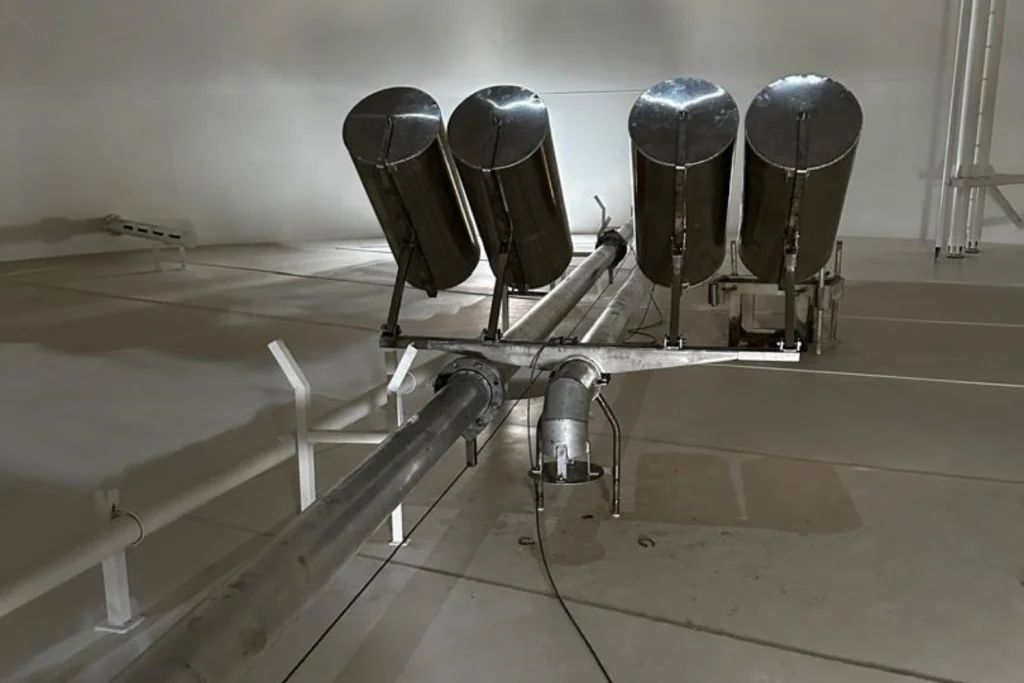
Finally, you will need to evaluate the mechanical design and features of the FSU itself. Key considerations include what type of float is best suited to your liquid and tank depth, and how the suction point is controlled. Some applications may benefit from a single-arm unit, while others, especially when the height of the tank is greater than its diameter, would benefit from a double-arm unit.
Making the Right Choice
Considering all the variables, from tank design and product type to material compatibility and mechanical configuration, selecting the right Floating Suction Unit is a critical decision. It’s not just about ensuring the system fits; it’s about making sure it performs reliably, draws the cleanest possible product, and supports the long-term efficiency and safety of your operation.
A poorly specified unit can lead to contamination issues, increased maintenance, or even equipment failure, especially when dealing with high-spec applications like aviation fuel or corrosive chemicals. That’s why it pays to work with specialists who understand the ins and outs of your industry, your site, and your product.
At EWFM, our expert sales team is trained to guide you through the process. We take the time to understand your setup, ask the right questions, and provide tailored recommendations, ensuring the Floating Suction Unit you choose is engineered for performance, reliability, and peace of mind.
Contact information:
Tel : +44 (0) 1763 248650
Email : sales@ewfm.co.uk
To keep up to date with news on how we are supporting our customers, our latest blogs and new services available, keep checking in on our website throughout the year and follow us on social media including LinkedIn, Facebook, X, Instagram, YouTube & Tik Tok.
