








Safety is one of the most critical considerations at any road or rail loading terminal. Frequent vehicle movements, hazardous products, and tight schedules all increase risk. Even small improvements to equipment and processes can make a meaningful difference.
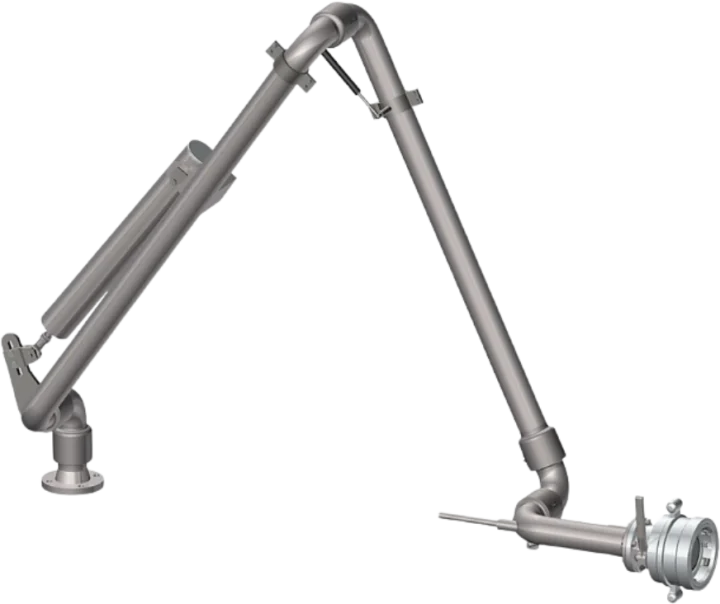
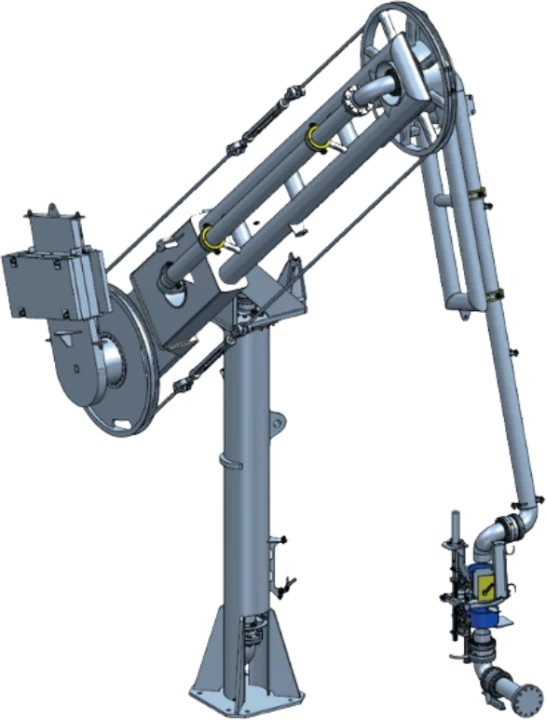
One of the most effective ways to improve safety during fluid transfer is through the use of Land Loading and Unloading Arms. These systems provide controlled, secure connections between fixed infrastructure and mobile transport. As a result, they offer clear safety advantages over traditional hose based systems.
Reducing Manual Handling Risks
Manual handling remains one of the most common causes of injury at loading bays. Traditional hoses are often heavy and awkward to position. They can also be difficult to control during repeated loading operations.
Land Loading Arms are engineered to be balanced and articulated. This allows operators to manoeuvre them smoothly with minimal effort. Controlled movement reduces strain and fatigue. It also lowers the risk of injury.
This is especially important in high throughput road and rail terminals. In these environments, equipment may be used multiple times per shift.
Improved Control During Connection and Disconnection
Uncontrolled movement during coupling and uncoupling is a major safety concern. This risk increases when transferring hazardous or high value products. Flexible hoses can move unpredictably during operation.
Loading Arms follow a defined movement path. They remain stable throughout the transfer process.
This controlled motion:
- Reduces the likelihood of sudden movement or hose whip
- Helps operators achieve secure connections more consistently
- Minimises the risk of impact damage to vehicles, flanges, or valves
The result is a safer and more predictable loading environment.
Minimising Spill and Leak Risks
Spills present safety hazards to personnel. They can also cause environmental damage, clean-up costs, and downtime.
Land Loading Arms use rigid pipework and high quality Swivel Joints. Secure connection points further reduce risk. Together, these features significantly lower the chance of leaks. This is a key advantage over hoses, which can degrade, kink, or wear internally over time.
Our systems can also be fitted with:
- Emergency release or Breakaway Couplings
- Drip buckets
These additions provide further protection for operators and the surrounding environment.
Enhanced Safety for Hazardous Products
Road and rail terminals often handle flammable, corrosive, or cryogenic media. These include fuels, chemicals, LNG, ammonia, and methanol. In these applications, safety is essential.
Loading Arms can be engineered to suit the specific product being transferred. Materials, seals, and design features are selected accordingly. This tailored approach improves compatibility and reliability. It also supports compliance with site safety standards and industry regulations.
Conclusion
Land Loading and Unloading Arms are more than just equipment. They play a key role in creating safer and more efficient loading operations. By reducing manual handling risks and improving control, they help minimise spills and leaks.
Designed to suit both the product and the application, Loading Arms protect operators and the environment. They also support regulatory compliance and best practice. Investing in the right Loading Arm system is a practical step towards safer, more consistent fluid transfer operations.
