







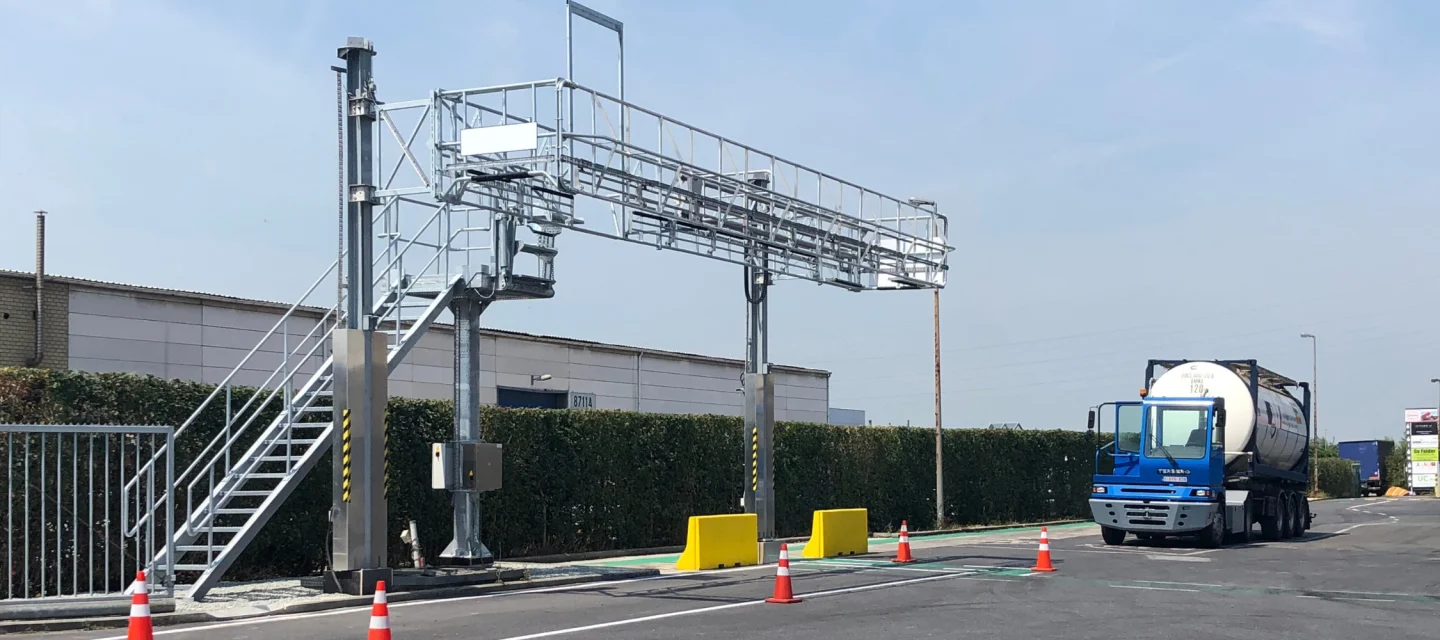
A safety access system is only as good as the specification behind it. Even well-made equipment can cause problems if it doesn’t match your tankers, your site or the way your operators work. The result can be workarounds, wasted budget, or a system that doesn’t protect people as intended.
These are the mistakes we see most often, and how to avoid them.
1) Getting the platform height wrong
Platform or stair height looks like a simple measurement, but it’s one of the easiest things to get wrong. A system that’s too low leaves operators stretching or stepping across a gap. One that’s too high creates awkward access and can interfere with the tanker or the loading equipment.
How to avoid it:
- Measure the actual tanker heights you handle, not just the average. Include the highest and lowest vehicles.
- Allow for variation in hatch positions and vehicle types, including visiting vehicles.
- Where heights vary significantly, consider adjustable options such as the Vertical Elevated Tanker Loading Platform rather than a fixed-height solution.
- Confirm dimensions with a specialist before ordering, ideally with a site visit.
2) Inadequate fall protection
Providing a way up is not the same as protecting the operator once they’re there. A common mistake is specifying access to the tanker top without considering what protects the operator while they work, which is where the fall risk is highest.
Under the Work at Height Regulations 2005, collective protection such as guardrails and cages is generally preferred over personal protection like harnesses, because it protects everyone without relying on individual behaviour.
How to avoid it:
- Treat access and fall protection as one specification, not two separate decisions.
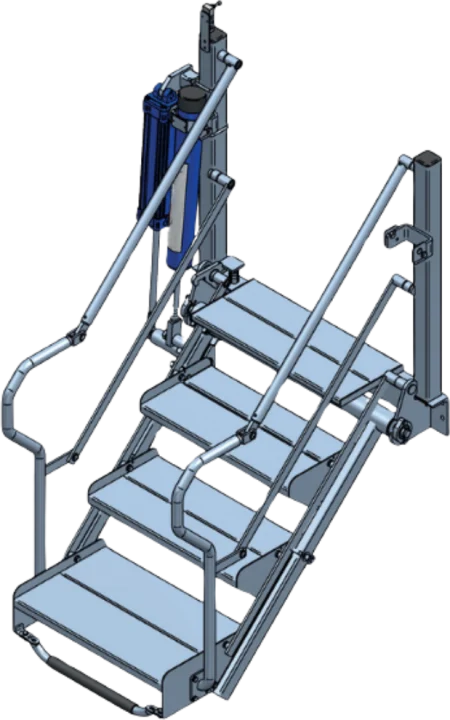
- Consider a stair-and-cage combination, such as our Tanker Folding Stairs, which are designed to be paired with a safety cage.
- Make sure the protection covers the full area where operators will actually be working, not just the point where they step onto the tanker.
- Ask whether the system works for visiting drivers who haven’t been trained on your site.
3) Poor tanker compatibility
Sites often specify around their most common tanker and forget the rest. Tankers differ in height, length, hatch position and layout, so equipment that suits one vehicle may be awkward or unsafe with another.
How to avoid it:
- List every tanker type that visits, including occasional and third-party vehicles.
- Check that stair, platform and cage dimensions work across the range, not just the typical case.
- If your fleet is varied or non-standard, ask about custom options. We build custom and full-length safety cages for these situations.
- For sites where the loading point changes and the space is limited, a mobile option such as the Top Tanker Mobile Access Unit may suit better than fixed equipment
4) Overlooking the site layout
A system can be perfectly specified for the tanker and still fail on site. Stairs and platforms need space to deploy, fold and store, and they shouldn’t create new risks for other traffic.
How to avoid it:
- Measure available space and headroom, including the space needed for equipment to deploy and fold away.
- Check vehicle and pedestrian routes so the system doesn’t create collision risks or block emergency routes.
- Consider ground conditions, especially for mobile equipment.
- Look for overhead pipework or structures that could limit what fits.
5) Forgetting about operation, materials and maintenance
Specifications often focus on dimensions and forget how the equipment will be used and looked after day to day. Manual operation on a busy site can slow loading and tire operators. The wrong material can corrode or wear early. And a system with no inspection plan is a liability.
How to avoid it:
- Choose the right operation: Many of our systems come in manual or pneumatic versions. Manual often suits lower-frequency use, while pneumatic reduces effort and speeds up positioning on busier sites.
- Match the material to the environment: Aluminium, mild steel, galvanised steel and stainless steel are all options depending on the product. Corrosive, washdown or hygiene-sensitive environments need particular care.
- Plan inspection and maintenance from the start: Agree who inspects the equipment, how often, and what happens if a fault is found.
- Ask about support: Check what documentation, servicing and spares the supplier can provide.
6) Not planning for the future
Specifying for today’s operation alone can leave you with equipment that’s outgrown in a few years. New bays, different vehicles, higher volumes or a layout change can all expose a system that was too tightly specified.
How to avoid it:
- Ask what your operation will look like in three to five years, including more bays, new products and different tankers.
- Weigh the flexibility of mobile or modular equipment against the long-term value of fixed installations.
- Choose equipment that can be adapted or extended, and ask the supplier whether it can be modified later.
- If your needs are unusual, consider a bespoke design built around your plans rather than a standard product that only just fits.
Quick specification checklist
Before you sign off a specification, check:
- Have we measured all the tanker heights and types we handle?
- Does the system protect operators on the tanker top, not just on the way up?
- Does it suit visiting drivers as well as our own team?
- Does it fit our layout without creating new hazards?
- Is the operation type (manual or pneumatic) right for our throughput?
- Is the material suited to our product and environment?
- Do we have an inspection and maintenance plan?
- Could the system cope with changes over the next few years?
Get the specification right first time
A short conversation with a specialist before you buy can save significant cost and rework later. Our engineers can review your site, your vehicles and your plans, and recommend or design a system to suit.
Explore our Safety Access Systems or request a quote.
